Garlic in a Pot: Your Fall Planting Window, Zone by Zone
Small Plot Season — A balcony pot can grow garlic: match planting to your local frost and freeze window, choose a sheltered container, mulch deeply, and track what survives for a better harvest next year.
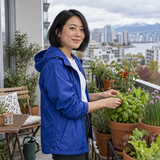
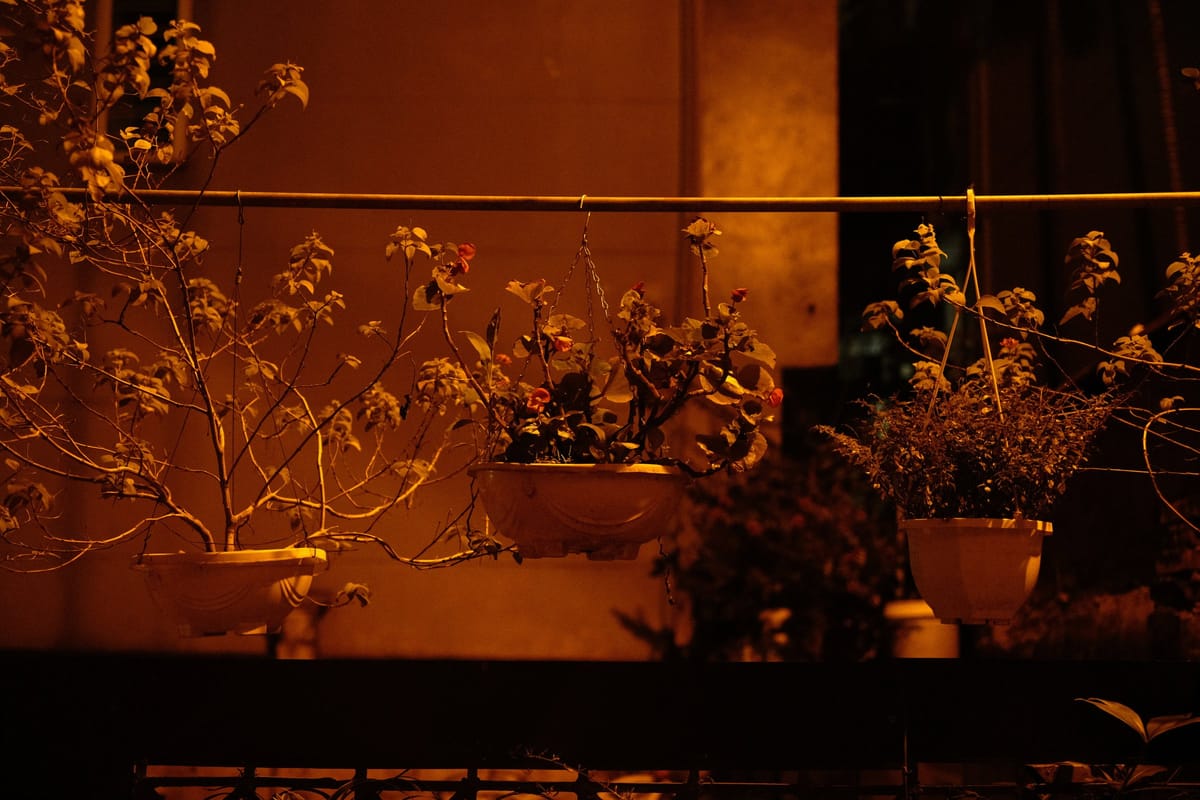
A reader in Guelph asks: “My garden is one balcony and a shelf of pots. Can I still plant garlic this fall, or is that only for people with garden beds?”
Yes, a container can give you a garlic harvest, but the timing is regional and the winter exposure of a pot makes placement important. The useful goal is not to find one national planting date. It is to connect your local first-frost and freeze dates with a container you can protect from the harshest temperature swings.
Why fall planting matters
Garlic is normally planted in fall because many types need a cold period called vernalization to form properly sized, multi-clove bulbs. Richters describes this cold dormancy as roughly six to eight weeks. Spring-planted cloves can instead produce smaller single-clove bulbs, often called rounds.
Fall planting gives the cloves time to establish roots before winter. They then remain dormant and resume growth as the soil warms in spring. John Boy Farms describes the balancing act this way: plant early enough for useful root growth, but late enough to avoid substantial green top growth before winter.
Find your regional window
The dates below are averages, not guarantees. Your municipality’s first fall frost, the arrival of sustained freezing weather, and the exposure of your balcony or yard all matter.
- Zones 2–4, including much of the Prairies, northern Ontario, and northern Quebec: roughly mid-September through late October. In places where winter arrives quickly, aim toward the earlier part of that range.
- Southern and central Ontario: late September through early November. The Greater Toronto Area is commonly placed around late October.
- Coastal British Columbia and the Maritimes: often early October through late November, with protected locations potentially extending into early December.
Another useful rule is to work backward from the weather rather than forward from the calendar. The sources describe planting about two to four weeks after the first fall frost, or approximately four to six weeks before the ground freezes. Those rules do not produce the same date in every location, so use them as a range and check local conditions.
If you are in Calgary, Edmonton, Saskatoon, Winnipeg, northern Ontario, or another short-season location, do not wait for a late-November date that might suit a coastal gardener. Conversely, a protected coastal balcony may remain workable after a Prairie container would already need winter protection.
A practical container setup
Use these steps as a small-space starting point rather than a guarantee of bulb size:
- Choose the deepest practical container with reliable drainage. A starting depth of about 20–25 centimetres gives the cloves and roots more room than a shallow decorative pot.
- Use a quality potting mix rather than digging garden soil into a balcony container. Make sure excess water can drain freely.
- Separate the bulb into individual cloves. Plant each clove pointed end up, about 10–15 centimetres deep. The planting calendar gives approximately 15 centimetres between cloves; in a container, keep enough spacing that the plants are not packed tightly together.
- Water after planting, then cover the surface with about 10–15 centimetres of straw or shredded leaves. Mulch helps reduce the effects of freeze-thaw cycles, which can be especially abrupt in an exposed container.
- Put the pot in a sunny location that is not a wind tunnel. A position beside a building can provide some shelter. In very cold areas, an unheated shed or garage may buffer the worst temperatures, but a heated indoor room will not provide the cold period garlic needs.
A container dries faster than a bed and experiences more rapid temperature changes. Those constraints mean a pot-grown crop may produce smaller bulbs than garlic grown in the ground. Container gardening is still worthwhile, but treat the harvest as a long experiment in matching pot size, variety, shelter, and watering to your space.
Choosing garlic for Canadian conditions
Hardneck garlic is the strongest general starting point for much of Canada. Richters identifies hardnecks as suitable for zones 3–6 and notes their cold tolerance, earlier harvest, and edible scapes. GrowersGuide lists Music, Russian Red, Chesnok Red, and Persian Star as hardneck examples reported to survive Canadian winters reliably; it places softneck types more comfortably in zones 6 and warmer.
Those are regional recommendations, not promises. Variety performance can differ between a sheltered coastal site, an exposed Toronto balcony, and a Prairie container. Local seed-garlic growers can tell you which varieties have actually overwintered near you. Buy planting garlic intended for growing rather than relying on an unknown grocery-store bulb.
Set expectations before you plant
This is a long crop. Garlic planted in fall is generally a next-summer project, with harvest often occurring around July when the lower leaves begin to yellow. In a container, restricted root space, quicker drying, and winter exposure may reduce bulb size.
The evidence boundary also matters. The sources used here are Richters, John Boy Farms, and gardening websites rather than government or university extension publications. Their planting windows broadly agree, but their variety and cultivation recommendations should be treated as practical guidance, not local horticultural trials. This issue does not establish pesticide, pest-management, food-safety, or regulatory advice.
Your carry-forward task
This week, look up the average first fall frost date for your municipality. Count back four to six weeks, then compare that window with the current forecast and the expected freeze date. If the window has passed but the container mix is not frozen, garlic can technically be planted until freeze, although the cloves may have less time to establish roots.
For a balcony or rental garden, make the decision concrete: choose the container, buy or reserve locally adapted seed garlic, and identify the sheltered winter location before planting day. Your useful record is simple—date planted, variety, pot size, mulch depth, and spring survival. That information will tell you more about your own microclimate than a national calendar can.