When a Family Home Is Held in a Bare Trust: What the New T3 Rules Mean for Your Plans
Legacy Transfer Canada — A name on title may not tell the whole story: map who uses, pays for, controls, and benefits from property, then match the facts to the tax year before seeking legal and tax advice.

The family scenario
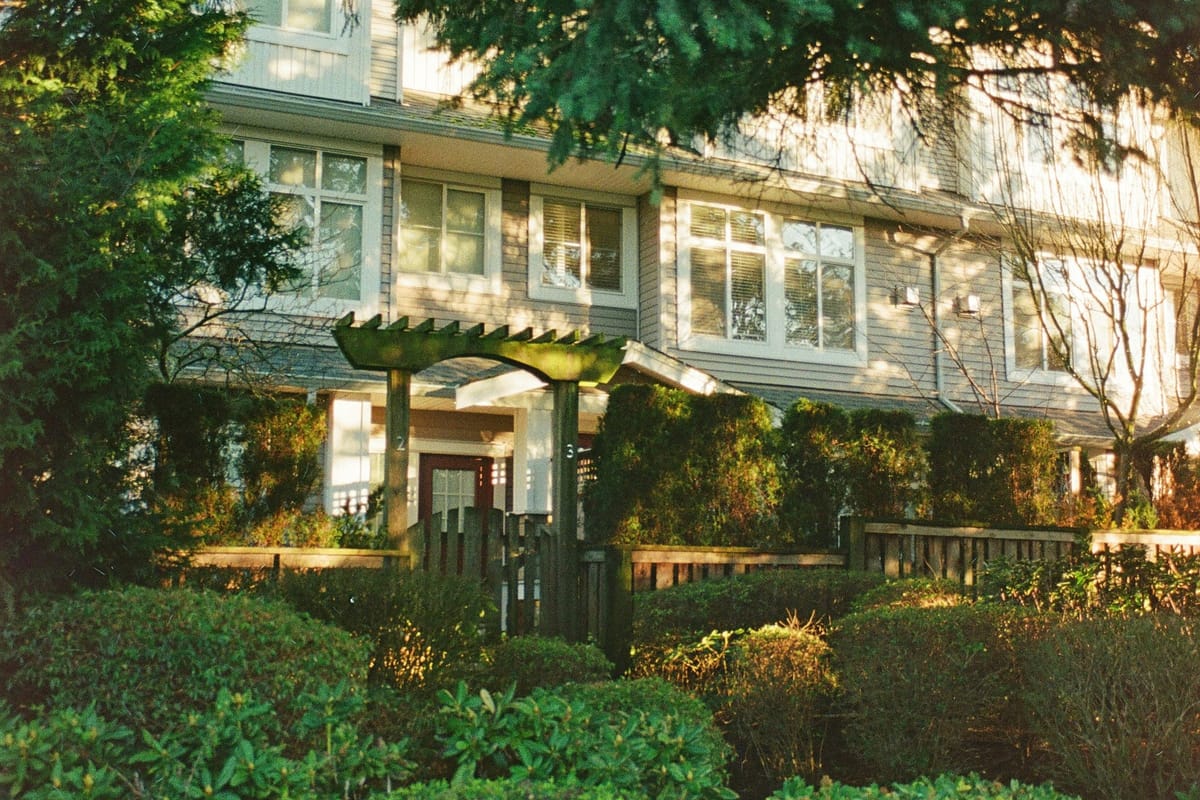
A parent adds an adult child to the title of the family home. Or a property is registered in one person's name while everyone understands that another person really owns, uses, or controls it. Nobody uses the word “trust,” and no lawyer has prepared a trust document.
Later, someone asks whether the arrangement must be reported to the Canada Revenue Agency on a T3 Trust Income Tax and Information Return. The answer cannot be determined from the title alone. The family needs to understand how the arrangement actually works, which tax year is being considered, and which province or territory's private law applies.
What the rule or document actually does
The CRA's enhanced reporting rules for trusts and bare trusts explain that the rules for annual T3 returns were expanded for taxation years ending on or after December 31, 2023, and later amended. Generally, trusts must file unless specific conditions apply, and required filings may include information about trustees, settlors, beneficiaries, and controlling persons.
In common-law provinces and territories, a trust generally involves a separation between legal and beneficial ownership. The person on title may not be the person who benefits from the property. In a bare trust, the trustee is generally acting as an agent while the beneficial owner has some or all of the attributes of ownership, such as possession, use, risk, and control. The CRA cautions that not every attribute will be present in every case, and some facts may carry more weight than others.
A trust can exist even when nobody used the word “trust” or understood the legal concept. The relationship may be inferred from what the parties intended, agreed, and did. A family arrangement may therefore need review even if it began as a practical decision to add a name to title or help someone manage property.
The filing timeline is important:
- For the 2023 taxation year, the CRA did not expect bare trusts to file a T3 return, including Schedule 15, unless the CRA made a direct request.
- Bare trusts were also not required to file for taxation years ending in 2024 or 2025.
- Certain bare trusts are subject to the rules for taxation years ending on or after December 31, 2026. The CRA refers to these as reportable bare trusts.
When Schedule 15 is required, it requests specified information about reportable entities, including names, addresses, dates of birth for individuals, countries of residence, and tax identification numbers such as a social insurance number or business number. If the information has not changed, the CRA says it may be carried forward in the circumstances described in its guidance.
A trust is a relationship, not a separate legal entity. A trustee may have duties of care and loyalty to beneficiaries and must follow the trust terms, manage property prudently, and avoid conflicts of interest. Québec uses a different civil-law framework: property transferred in trust forms a trust patrimony distinct from the settlor's, trustee's, and beneficiary's patrimonies, rather than relying on the common-law separation of legal and beneficial ownership.
Where families commonly get stuck
The first difficulty is recognizing that an arrangement may be a trust. Families often associate trusts with formal documents and wealthy estates. The CRA's explanation is broader: a trust may be inferred from the circumstances, and a written document may not tell the whole story.
The second difficulty is carrying an old answer into a new tax year. “Bare trusts do not need to file” was not a complete statement for every year. Relief applied to specific periods, while certain bare trusts may be reportable for taxation years ending on or after December 31, 2026.
The third difficulty is identifying everyone involved. A parent, an adult child on title, and other people connected to the arrangement may have different legal roles. Those roles should not be guessed from family custom or from whose name appears on a document.
The fourth difficulty is the boundary between tax administration and legal advice. The CRA says it cannot determine the private-law nature of a family's specific arrangement or interpret its trust documents. Whether the arrangement is a trust, bare trust, agency relationship, joint ownership, or something else depends on the facts and the applicable provincial or territorial law.
Preparation checklist
If property is registered in one person's name but used, paid for, or controlled by someone else, gather:
- The title or registration record and the date the arrangement began.
- Wills, powers of attorney, agreements, correspondence, and relevant account or property records.
- A plain-language description of who lives in or uses the property, who pays expenses, who receives income, who bears losses, and who decides whether it is sold or transferred.
- The parties' understanding when the arrangement was created, including whether the added name was for convenience, management, financing, inheritance planning, or another purpose.
- Any previous T3 returns, Schedule 15 filings, CRA correspondence, or advice received.
- The taxation years that need review, especially 2023 through 2026 and later years.
- The names and contact details of people who may have acted as trustee, settlor, beneficiary, or controlling person. Do not send social insurance numbers by ordinary email or include them in a family group chat.
The next useful document check is not “whose name is on title?” It is “what did everyone believe this person was allowed or required to do with the property?” Write the answer down before memories diverge.
Conversation or professional-advice boundary
This issue explains the CRA's published tax-reporting guidance; it does not classify your family's arrangement. The minimum safe next step is to ask a qualified professional to review the documents and actual conduct together.
A lawyer familiar with the relevant provincial or territorial law can assess whether the arrangement is a trust, bare trust, agency relationship, joint ownership, or another legal relationship. An accountant or tax preparer can then address the T3 mechanics, Schedule 15, and any filing obligations for the applicable taxation year. Québec families should seek advice grounded in Québec civil law.
Bring the fact pattern, documents, and prior filings to that conversation. Ask who is responsible for any required filing, which year is being assessed, what information must be reported, and whether the proposed characterization could affect the family's broader estate or tax plan.
Sources
Official sources:
- What changed for trust reporting, Canada Revenue Agency.
- What happens to a TFSA when the holder dies, Canada Revenue Agency.
- Reporting capital gains after someone dies, Canada Revenue Agency.
- Estate Administration Tax, Government of Ontario.
- Supreme Court of Canada decisions, official court database.
Member context:
- Author: Elise Marlow
- Publication: Legacy Transfer Canada
- Issue type: intergenerational planning explainer
- Scope: general information, not individualized legal or tax advice