When Groceries Cost More Every Year: A Practical Fall Reset for Weeknight Cooking
Weeknight Canada — A practical fall reset for Canadian dinners: stretch costly proteins, build around flexible seasonal ingredients, compare local prices, and leave room for leftovers when the week refuses to follow the plan.

A reader question to start
Marguerite in Trois-Rivières asks: “Every year the grocery bill goes up and every year I hear about it on the news, but nobody tells me what to actually do on a Tuesday night. Is there anything practical I can change about how I cook this fall, or is it all just out of my hands?”
The honest answer is somewhere in the middle. You cannot control the price of beef or the cost of transporting food, but you can control how often an expensive ingredient anchors dinner. A manageable fall reset does not require a rigid meal-planning system. It needs a few deliberate swaps and enough flexibility for real life.
What the numbers say
Food inflation in Canada was 2.8 percent in August 2026 compared with August 2025, down slightly from 3.0 percent in July, according to Statistics Canada data compiled by Trading Economics. That is the short-term picture. The longer view is tougher: Canada’s Food Price Report 2026 says food prices are 27 percent higher than five years ago and forecasts that a family of four could spend $17,571.79 on food in 2026, an increase of up to $994.63 from the previous year.
The report also forecasts regional differences. Alberta, New Brunswick, Nova Scotia, Ontario, and Quebec are expected to see food-price increases above the national average. Those are forecasts, not a guarantee about any particular household, but they help explain why the same shopping plan can feel different from one province or city to another.
Category detail matters as well. A 2026 overview from Remitbee, drawing on Statistics Canada figures, reported that food purchased from stores rose 4.3 percent year over year in May. It cited increases of 9.0 percent for fresh vegetables, 45.2 percent for tomatoes, and 13.3 percent for beef. The Dalhousie report likewise said meat increased faster than predicted, at 5 to 7 percent.
For a more local check, Statistics Canada’s monthly retail-price table breaks out selected foods by province, territory, and population centre. It can help you compare the average prices of items such as milk, eggs, and potatoes instead of relying only on a national headline.
Policy may help, but dinner is still local
There has also been movement beyond the grocery aisle. In June, Prime Minister Mark Carney announced a multibillion-dollar national food security strategy intended to lower prices for Canadian consumers. In October, Agriculture and Agri-Food Canada announced investments under that strategy intended to strengthen food-distribution systems and provide more options for consumers.
Households may also encounter affordability measures through the Canada Groceries and Essentials Benefit. Restaurants Canada reported that the package included a 25 percent increase to the GST credit beginning in July 2026 and a one-time 50 percent top-up in 2026. It cited estimates of up to $1,890 this year for a family of four, approximately $1,400 annually in following years, and up to $950 this year for single Canadians, followed by about $700 annually. Eligibility and amounts depend on personal circumstances, so use official government information for a personal determination rather than this summary.
Those measures matter, but they do not decide what happens at 5:30 on Wednesday. The useful household response is to make expensive ingredients less central while keeping meals satisfying and adaptable.
The practical fall reset
- Shift the protein centre of gravity. If beef is costing more, use it less often or use a smaller amount in dishes that already have beans, lentils, or vegetables. Chili, tacos, and pasta sauce can carry a modest portion of meat without requiring a completely different style of cooking.
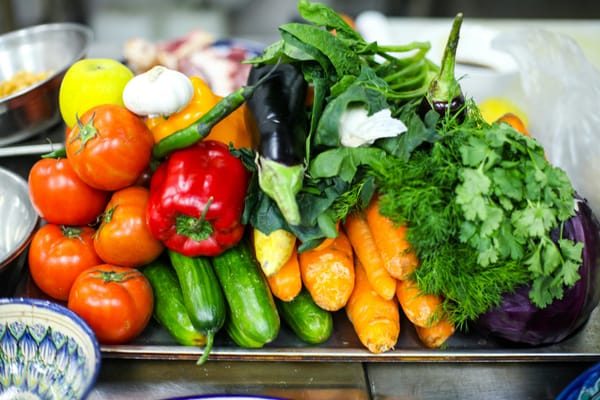
- Cook with the season and the shelf life. October is a practical time to lean on root vegetables, squash, cabbage, and apples in much of Canada. A roasted squash and white-bean stew or a cabbage-and-sausage skillet is an original meal idea, not a fixed recipe: adjust it to what is available and affordable where you live. Seasonal availability varies by region, and a local price is more important than a calendar assumption.
- Batch a base, not five identical meals. Cook one flexible component on the weekend, such as rice, roasted roots, or beans. Use it in different combinations during the week so the effort is shared without making every dinner taste the same.
- Check prices before committing. Use the Statistics Canada table to compare a few likely ingredients in your population centre. Ten minutes of checking can tell you whether this is a chicken week, a lentil week, or a pantry week. The table reports averages, not a promise about your store’s shelf price.
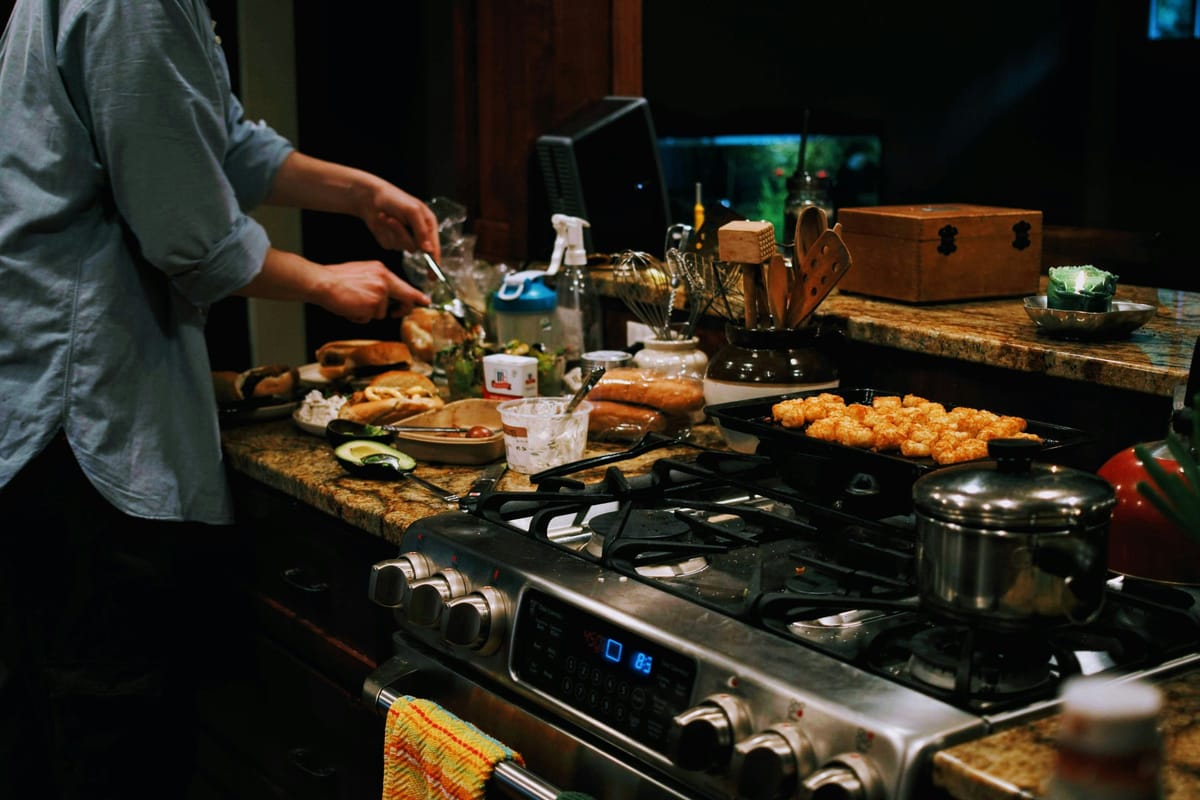
- Plan one or two anchor dinners. Put perishable ingredients into the first part of the week, then leave later dinners open for leftovers, frozen foods, pantry staples, or a substitution. A loose plan is more likely to survive a late workday than a seven-day schedule that assumes every evening goes perfectly.
Limits and honest caveats
These figures are national or regional averages. Your receipt depends on the store, brand, package size, location, transportation costs, season, and what you choose. The Dalhousie figures are forecasts and can miss; its report specifically notes that meat rose faster than predicted. Trading Economics’ longer-term projections are model outputs, not guarantees.
This is practical meal-planning information, not individualized nutrition advice. If you have dietary or health needs, speak with a qualified professional. The affordability figures summarized above are estimates and do not establish eligibility. Check the relevant official government service for your situation.
The most realistic fall reset is therefore modest: compare a few local prices, centre meals on flexible ingredients, stretch costly proteins, and protect enough freedom for plans to change. You do not need to defeat food inflation to make Tuesday dinner more manageable.
Sources
- Statistics Canada data via Trading Economics — Canada Food Inflation
- Statistics Canada — Monthly average retail prices for selected products: Food, Table 18-10-0245-02
- Dalhousie University Agri-Food Analytics Lab — Canada’s Food Price Report 2026
- Agriculture and Agri-Food Canada — Investments in food distribution systems
- CTV News and The Canadian Press — PM Carney unveils plan to lower food costs
- Restaurants Canada — Food affordability announcement and GST credit details
- Remitbee — Canada Food Inflation 2026: Grocery Costs, Trends and Savings Tips
- RBC Economics — Food inflation in Canada: Six key questions
Have a question for a future issue? Send it along—reader questions shape what we cover next.