When the Treat Bag Becomes the Risk: What Canadian Pet Guardians Should Know About Recalls and Salmonella
Pet-Safe Canada — Learn how to verify a recalled treat by matching the brand, product, size, UPC, lot, and dates, then protect your household through careful disposal, cleaning, and professional advice when exposure may have occurred.
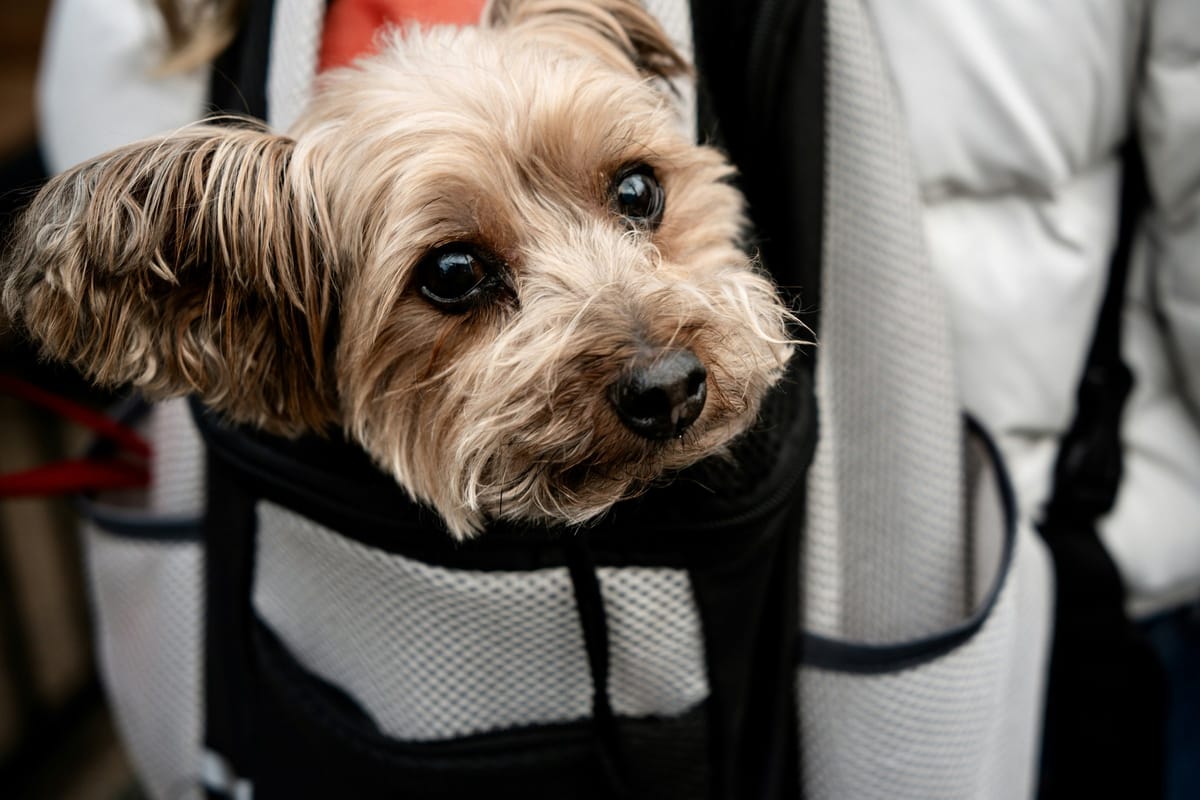
A reader in Ontario asks: “I give my dog raw treats as training rewards. I heard about a Puppy Love recall, but I am not sure whether the bag in my cupboard is affected—and I am worried about my children, not only my dog. How do I check, and what should I do?”
What the sources establish
In October 2025, the Public Health Agency of Canada (PHAC) reported an outbreak of Salmonella infections linked to dog food and treats and described a voluntary recall by Puppy Love Pet Products Inc. The recalled products included Puppy Love Beef Chew (4 pack), Puppy Love Chicken Breast (120 g and 300 g), Puppy Love Chicken Wing Tips (120 g), and Puppy World Lamb Lung (150 g, 340 g, and 454 g). PHAC says these products were sold from February 2025 to October 2025.
A related dvm360 report identifies the contamination as Salmonella Oranienburg and reported 32 human illnesses and eight hospitalizations at the time of the recall. It also says Salmonella was found in samples of 10 Puppy Love and Puppy World products, while six products were recalled, and that the manufacturer reported 12,630 affected units sold in Canada. Those figures are historical reporting about that outbreak, not a statement that every product from those brands is contaminated today.
PHAC makes two broader points that matter in a household. In Canada, pet food products are not subject to the same regulations and testing as food intended for people. Dog food and treats can carry bacteria, including Salmonella, that can make people and dogs sick. People can be exposed through contact with a dog, its food or treats, or its waste. A dog may show no signs of illness and still infect people who contact the dog or its environment. That is especially important where children, older adults, or people with weakened immune systems live.
The recall landscape also changes. The Government of Canada’s Recalls and Safety Alerts database is updated daily and offers email subscriptions and RSS feeds. The U.S. Food and Drug Administration’s animal and veterinary recall page can help identify U.S. products that may cross the border or be sold by Canadian retailers. Dogster and DogFoodAdvisor can help with discovery and historical context, but a government recall notice is the source to use for a consequential product decision.
Practical next steps
Use this process for a treat or food that might be recalled:
- Search the Government of Canada database by brand and product name. Read the individual notice, not only a search result or social-media post.
- Compare the package with the notice: brand, exact product, package size, UPC, lot information, and sale dates where provided. Keep the packaging available while you check. If the treats came from an open bin and the brand matches a recall, do not guess; confirm with the retailer, manufacturer instructions, or your veterinarian.
- If the product matches, stop feeding it. Do not taste it or handle it more than necessary. Seal it and dispose of it, or follow the return and refund directions in the notice. Wash your hands and clean bowls, storage containers, and surfaces the product touched.
- If a pet ate the product, contact your veterinarian for advice even if the pet appears well. If the pet becomes unwell, seek veterinary care promptly and mention the possible exposure. Do not use this article or a worksheet to decide that an animal is safe, infected, or in need of a particular treatment.
- If a household member may have been exposed and becomes ill, contact a healthcare provider and mention the possible Salmonella exposure. For an urgent situation, contact local emergency services. Public-health questions can be directed to the contact information on the PHAC notice.
- Subscribe to Canadian recall notifications. If you buy U.S.-made or U.S.-distributed products, check the FDA animal and veterinary recall page as well.
The practical lesson is not that every raw treat is contaminated, nor that one feeding style is automatically right or wrong. It is that raw products require careful recall checking and household hygiene. Keep pet food away from human food preparation areas, wash hands after handling it, and clean contact surfaces. A product’s absence from one list is not proof that it is safe: recalls can be expanded, and databases can differ in timing or coverage.
Limits and professional help
This is general education, not veterinary or medical advice. I cannot determine whether a particular package is contaminated, whether a pet is infected, or what care a person or animal needs. The applicable Canadian or U.S. recall notice is authoritative for the products within its jurisdiction. U.S. coverage may involve limited Canadian distribution, and independent trackers may lag or describe scope differently.
If you are unsure about a match, contact the retailer, manufacturer, or your veterinarian rather than guessing. If a pet that ate a recalled product is unwell, contact a veterinarian or local emergency veterinary service. If a person is ill after possible exposure, contact a healthcare provider; use local emergency services for urgent symptoms or danger. This article does not replace professional help.
Sources
- Public Health Agency of Canada, “Public Health Notice: Outbreak of Salmonella infections linked to dog food and treats” (October 28, 2025): Public Health Agency of Canada, “Public Health Notice
- dvm360, “Canadian dog treats recalled due to Salmonella contamination” (October 30, 2025; updated November 5, 2025): dvm360, “Canadian dog treats recalled due to Salmonella contamination” (October 30, 2025; updated November 5, 2025)
- Government of Canada, “Find recalls, advisories and safety alerts”: Government of Canada, “Find recalls, advisories and safety alerts”
- U.S. Food and Drug Administration, “Recalls & Withdrawals” (Animal and Veterinary): U.S. Food and Drug Administration, “Recalls & Withdrawals” (Animal and Veterinary)
- Dogster, “Dog Food Recall Information & Alerts (October 2026)” (discovery and context): Dogster, “Dog Food Recall Information & Alerts (October 2026)” (discovery and context)
- DogFoodAdvisor, “Dog Food Recalls” (discovery and context): DogFoodAdvisor, “Dog Food Recalls” (discovery and context)