
A Balcony Garden Is a Wind-and-Weight Problem Before It Is a Plant List
Small Plot Season — Before buying containers for a Canadian balcony, test the space for wind, wet weight, drainage, light, and building rules. A small, reversible setup can teach you more than an ambitious plant list.

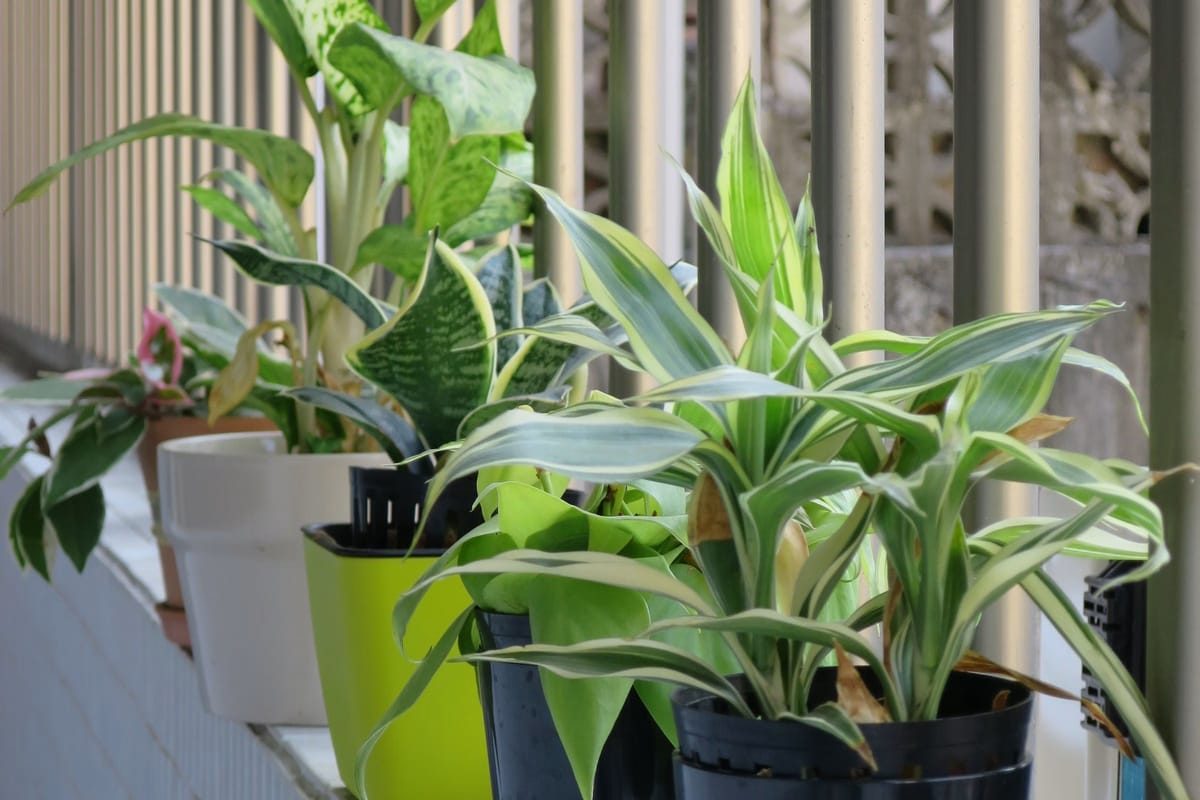
Before you choose basil, lettuce, or a tomato, step onto the balcony with empty hands. A balcony is not a small yard. It has a carrying limit, doorway, drainage path, and wind pattern. The first garden plan should describe those conditions. The plant list comes later.
Start with the balcony’s constraints
A balcony remains a doorway, walking route, drainage surface, and neighbour boundary. A harmless nursery pot can become a trip hazard or drip beside a threshold.
Weight includes the container, growing medium, water, plant, and existing items. Wet material is heavier than a dry bag at the garden centre, and concentrated containers can matter more than the same total spread across a wider footprint. This independent balcony load and placement explanation is a warning, not a structural assessment.
Do not adopt a generic online load figure as permission to build. Check your lease, condo documents, building communications, or property manager for site-specific rules. If capacity is unclear, pause.
Do a three-day site check
Before buying anything, observe the balcony at different times over a few ordinary days. Record:
- Where direct light reaches in the morning, midday, and later afternoon.
- Which edges feel exposed when air moves, and whether a tall object would catch it.
- Where rain or watering collects, drips, or runs toward the edge.
- How far you must carry water, and whether that trip is realistic with full containers.
Balconies across Canada differ by orientation, shelter, building design, and seasonal transitions. Even two balconies in one city can behave differently. Treat this observation period as your regional and seasonal qualification; do not carry a plant list from another balcony into yours without checking again.
Treat wet weight as the real weight
Make a no-plant inventory. List each container’s material, footprint, and location, plus stands, saucers, trellises, storage, and furniture. The purpose is to reveal how quickly a “few pots” becomes concentrated wet material, not to produce an engineering calculation.
A conservative starting order is simple:
- Prefer a few stable containers over a dense row of large ones.
- Spread containers across the usable area instead of creating one heavy corner.
- Keep containers on a flat, stable surface and avoid improvised stacks.
- Treat hanging, railing, and wall-mounted systems as permission-dependent.
- Add weight only for a clear stability reason, after checking what the building allows.
For general practice, a public-library balcony gardening checklist recommends container mix rather than garden soil and keeping access routes clear. That is practical guidance, not a Canadian building standard; choose materials deliberately and keep the setup reversible.
Make wind a layout decision
Wind changes plant care and furniture placement. Tall stems, trellises, and light containers can act like sails. A practical container-gardening guide on wind, light, and water recommends observing the location first and considering stable pots or a windbreak.
Translate that into layout before shopping:
- Use broad, low containers when stability matters more than height.
- Group containers only where the grouping leaves a clear route and avoids concentrated load.
- Place a windbreak where it reduces exposure without becoming a larger sail or blocking drainage.
- Do not rely on the railing as support unless the building has approved that use.
- Remember that heavier is not automatically safer; added mass also adds load.
A sheltered corner can change heat and watering needs as well as wind. Start with the least dramatic arrangement you can inspect and move without strain.
Build a watering and drainage route
Container gardening is partly a water-carrying system. A balcony under another slab may receive little rain, while a small exposed pot may need attention sooner than a ground-level bed. Put access ahead of the view: if watering is difficult, the garden is too large or too far from the door.
Outdoor containers need an open route for excess water. A container drainage guide recommends working drainage holes, protective saucers, and placement that lets water leave the base. Test the route with plain water before planting.
A saucer does not solve every neighbour or building problem. Some buildings set rules for runoff, irrigation, attachments, or cleaning. A Montreal balcony and terrace guide treats building limits, weight distribution, and runoff as separate tasks. Use that independent source to generate questions for your own building, not as a universal rule.
Match the garden to the rules
Renters should read the lease before buying equipment. A rental-gardening guide identifies outdoor-use clauses, shared spaces, permanent modifications, and maintenance responsibilities to check with the landlord or property manager. “Portable” does not mean exempt from weight, drainage, or safety requirements.
Condo owners also need current declarations, rules, and building communications. A condo balcony rules overview explains that requirements vary by location and corporation. Ask for written guidance before installing anything that hangs, attaches, blocks a view, changes drainage, or adds substantial wet material.
Useful questions include:
- Which areas may hold containers, and are there limits on number, size, height, or visibility?
- Are railing, ceiling, wall, trellis, or irrigation attachments allowed?
- What is required to prevent water from reaching the balcony below?
- Must containers be moved or emptied for winter maintenance or inspections?
Keep the reply with your balcony sketch. Rules are part of the growing conditions.
Choose plants after the conditions
Once you know the light, wind, weight, water route, and rules, choose plants from regionally relevant nursery, extension, or botanical guidance. A plant tag does not tell you whether your balcony supplies enough light, root space, shelter, or care time. Do not treat a neighbour’s success as a guarantee for your site.
Start with two or three manageable containers and learn the pattern before expanding. Watch how quickly the mix dries, whether foliage moves constantly, whether the pot shifts, and how long watering takes. If the routine is difficult, change the arrangement before adding another plant.
Your carry-forward task is a one-page balcony map. Mark the door swing, walking route, strongest wind edge, light observations, drainage direction, water source, and approved container zones. Bring it to your next plant decision so the list does not become a heavy, windy, inconvenient garden.
Keep the planning boundary clear
The linked material combines independent property and rental guidance, a public-library checklist, condo information, and horticultural container articles. It supports a planning sequence, but does not certify any balcony, replace your lease or condo rules, or establish a universal Canadian load rating. The reversible trial and written-guidance recommendations are conservative interpretation, not official structural advice.
This is general educational gardening information, not individualized horticultural, pesticide, environmental, or safety advice.