
Home Support Information Needs a Province-Specific Check
Senior Life Navigation Canada — Home support can look very different from one province or territory to another. This issue offers a practical way to check the local entry point, assessment language, service limits, and provider questions before making a care arrangement.

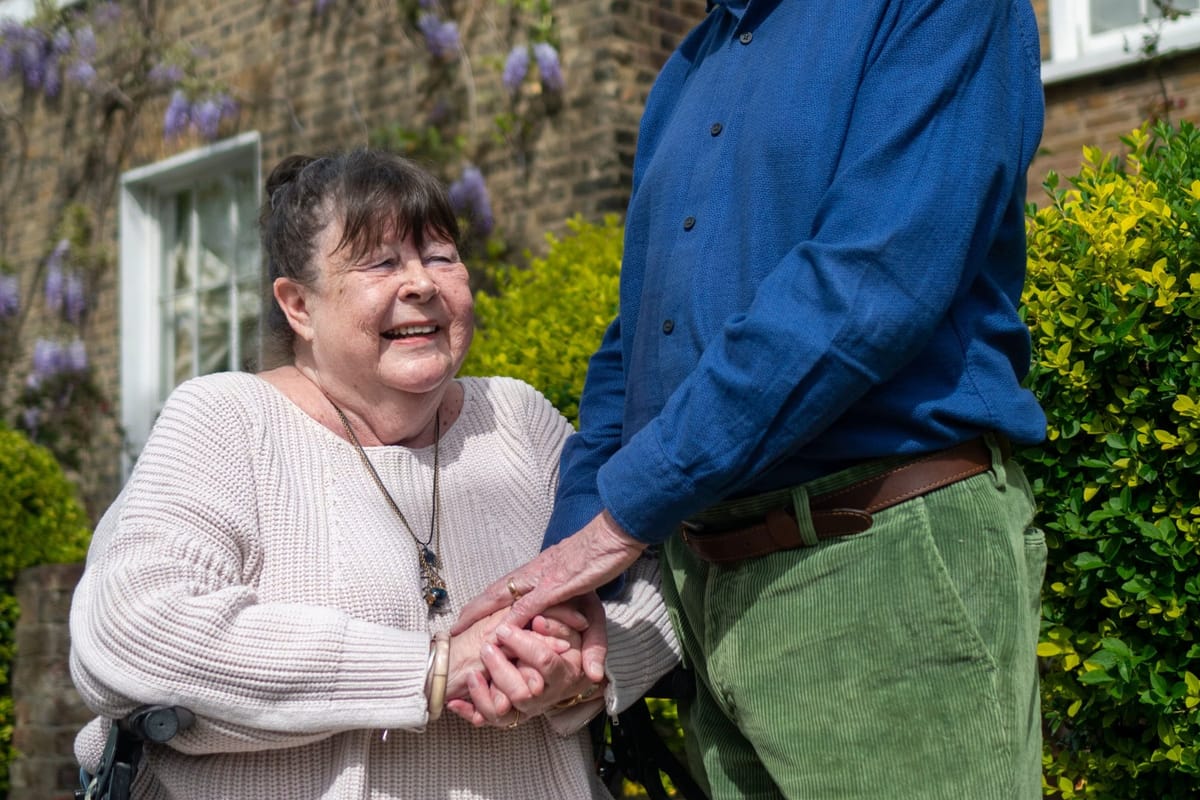
Home support is not one national checklist
"Home support" can mean personal care, nursing, rehabilitation, respite, meal or household help, or a private visit. The label is broad; the route into it is local. The route may run through a regional authority, community agency, or private provider.
An older policy overview from the Institute for Research on Public Policy describes variation in provincial and territorial home-care investment and caregiver support. It is not a current program directory; its useful lesson is that a Canadian answer needs a province-and-community check.
A national eligibility statement may therefore mislead: local assessment, fees, wait times, and caregiver roles can differ.
Use Ontario as an example, not a national rule
The Ontario eligibility guide describes two paths: publicly funded home and community care, and privately arranged home care. It identifies Ontario Health atHome as the public coordinator and lists Ontario residence and a valid OHIP card among basic conditions. That is Ontario orientation, not a rule for another province or a promise of visits.
A separate independent Ontario Health atHome explainer emphasizes assessed need rather than age alone and says a person can start a referral without a doctor's referral. These are not a substitute for the current local intake rule. Ask the coordinating body how assessment works, what documents it needs, and whether another referral route is required.
The difference between "can request an assessment" and "will receive a service" matters. An assessment may identify a need while available hours, providers, or timing remain limited. Private providers may have different menus, prices, contracts, and cancellation policies. Availability is not a promise of access.
Check four boundaries before making a plan
A province-specific check should separate four things:
- Entry point: Which provincial, territorial, regional, or community organization receives the first request?
- Assessment: What daily tasks, health-related needs, home conditions, or caregiver circumstances are considered?
- Service boundary: Is the requested help clinical, personal, household, respite, or something else?
- Arrangement: Is the support publicly coordinated, privately paid, mixed, or family-organized?
This keeps a public assessment, private consultation, and doctor's appointment distinct. A Canadian program overview notes that availability and details vary among provinces and territories. It is not an official directory, so check locally.
A useful first conversation
Before contacting a service, write a short description of the task rather than a diagnosis or conclusion. For example: "Help is needed with showering twice a week" or "a family caregiver needs a planned break." Add whether the need changes and what support is already in place.
A community senior-care navigation guide recommends starting with present needs, considering how they may change, and identifying resources before a crisis. This is planning advice, not a promise that every community offers the same options.
Ask the intake worker or provider to explain:
- who assesses the need;
- which services are included and excluded;
- how changes in need are reported;
- what happens if a scheduled worker is unavailable;
- what the next step is if the requested service is not available.
Keep the exact program or agency name in your notes. Ask which official office can confirm unclear information.
What the available information can and cannot tell you
The linked material is mainly independent guides and provider explainers. It identifies useful terms to check, but it does not form a complete official directory. A provider page cannot establish public eligibility or speak for another agency, and a general Canadian page cannot confirm today's local rules.
An independent provider-selection checklist recommends checking caregiver training, screening, pricing transparency, and a backup plan when comparing agencies. That is a comparison prompt, not a government standard or provider guarantee.
This is general educational information, not individualized medical, mental-health, legal, financial, accessibility, or service-eligibility advice.
Before relying on a program name, cost, phone number, wait-time statement, or eligibility rule, confirm it with the responsible provincial, territorial, regional, or community authority. For urgent safety concerns, sudden health changes, or rights or contract disputes, contact the appropriate qualified professional or emergency service.