
A Smaller, Safer Routine for Dogs and Cats
Pet Life Canada — A practical safety routine covers pet food, household products, and car travel without turning care into a second job. Learn which official precautions reduce contamination and exposure risks, and when labels, veterinarians, or travel requirements should guide the next step.

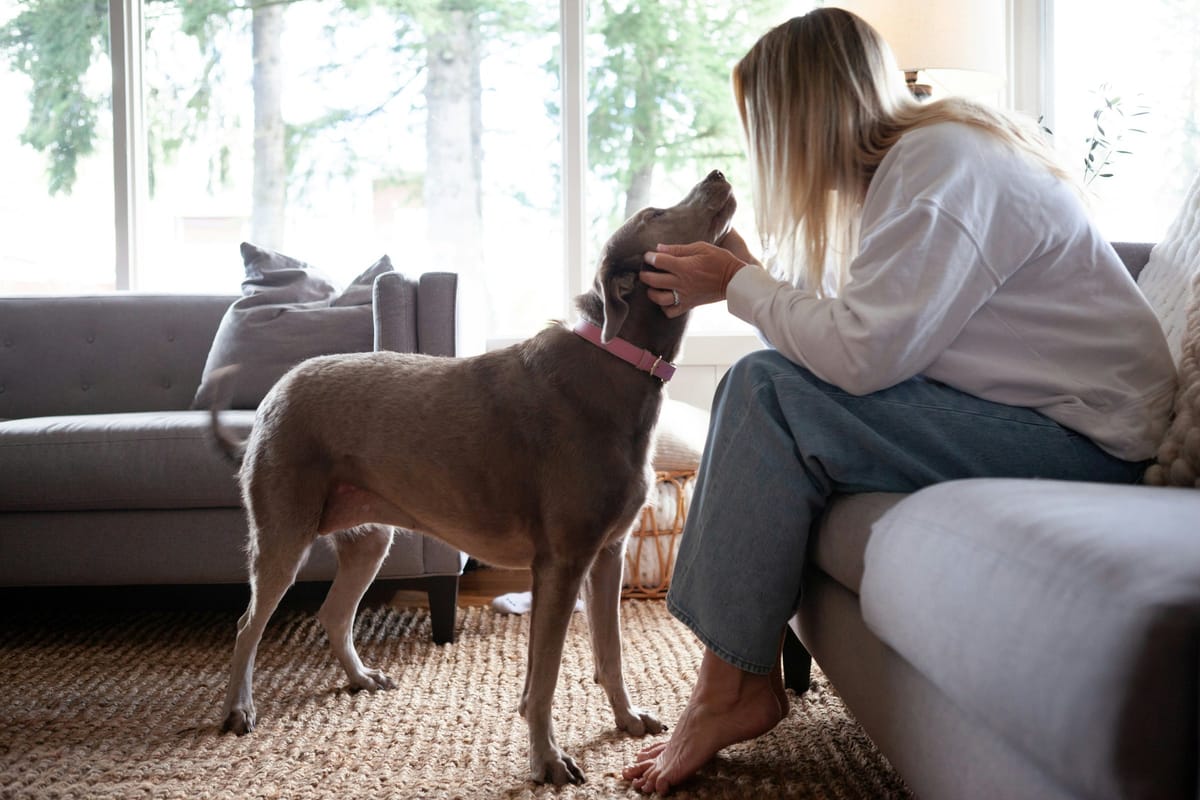
Three decisions for a safer daily routine
How can you make daily life safer for a dog or cat without turning feeding, cleaning, and travel into a second job? Start with three household decisions: choose a lower-contact food routine, control what your pet can reach, and contain your pet properly when travelling.
The Public Health Agency of Canada’s pet-food guidance identifies canned food, processed kibble, and fresh cooked food as safer choices than raw pet food. Its raw pet-food safety guidance explains that raw products can carry Salmonella and E. coli, which can make people and pets sick. Adults over 65, pregnant people, children aged five and under, and people with weakened immune systems should not handle raw pet food or feeder rodents.
No complicated reset is needed. Make the safer choice visible: food stored in one place, products out of reach, and a carrier or restraint ready before the car starts moving.
A manageable routine
Check before feeding, cleaning, or leaving home.
- Feeding: check the food’s expiry date and storage directions. Use separate pet dishes and utensils, wash your hands after handling food or waste, and help young children wash theirs. Keep pet food away from human food. If raw food is already part of the routine, thaw it in a sealed container on the refrigerator’s bottom shelf, do not refreeze leftovers, remove the bowl when the pet finishes, and discard what remains. These steps reduce contamination opportunities; they do not remove the underlying risk.
- Cleaning and pest control: first try reducing clutter, sealing entry points, controlling trash and overgrown vegetation, or redirecting standing water. If a pesticide is needed, follow Health Canada’s guidance for keeping pets safe around pesticides: choose a product registered in Canada, check its Pest Control Product number, match the label to the pest, use only the labelled amount, and keep it in its original container. Do not mix products unless instructed.
- Before treatment: remove pets, cages, toys, chew bones, food bowls, and bedding. Keep pets away during application and until the label permits their return; if unsure, wait until the area is dry and ventilate indoors. Cover fish tanks and turn off pumps when using a fogger. Keep baits out of reach. Keep mothballs in their original sachet and never use them outside a sealed, airtight container.
- Products applied to the pet: read the label every time and use only a product intended for that animal. Health Canada’s information on spot-on products for companion animals explains why dog and cat products are not interchangeable. Ask a veterinarian which option fits your pet’s circumstances, including age or pregnancy.
- Car travel: the Canadian Food Inspection Agency’s pet-transport guidance recommends containment. Secure a cat’s carrier with a seatbelt. For a dog, use a carrier, a harness attached to a seatbelt, or a safety net. Do not let a pet travel loose in a pickup truck. Never leave a pet in a parked vehicle without ventilation, particularly in hot or cold weather. For longer trips, bring food, water, a liner, and regular checks with rest or a walk when possible. A carrier should allow the animal to lie down, turn around, and stand naturally.
For international travel, start with the CFIA’s pet-export certificate information when plans are known. Requirements can involve certificates, vaccinations, testing, treatments, or other documents, and destination rules can change. The evidence for this routine comes from the linked public guidance from the Public Health Agency of Canada, Health Canada, and the Canadian Food Inspection Agency.
This is general educational information, not individualized veterinary, legal, or financial advice.