
A Wildlife-Friendly Garden Still Needs a Conflict Plan
Garden Habitat Notes — A habitat garden can support birds, insects, and other wildlife while protecting vegetables, trees, and household routines. This issue offers a calm way to identify attractants, match barriers to visitors, and set seasonal boundaries before frustration takes over.

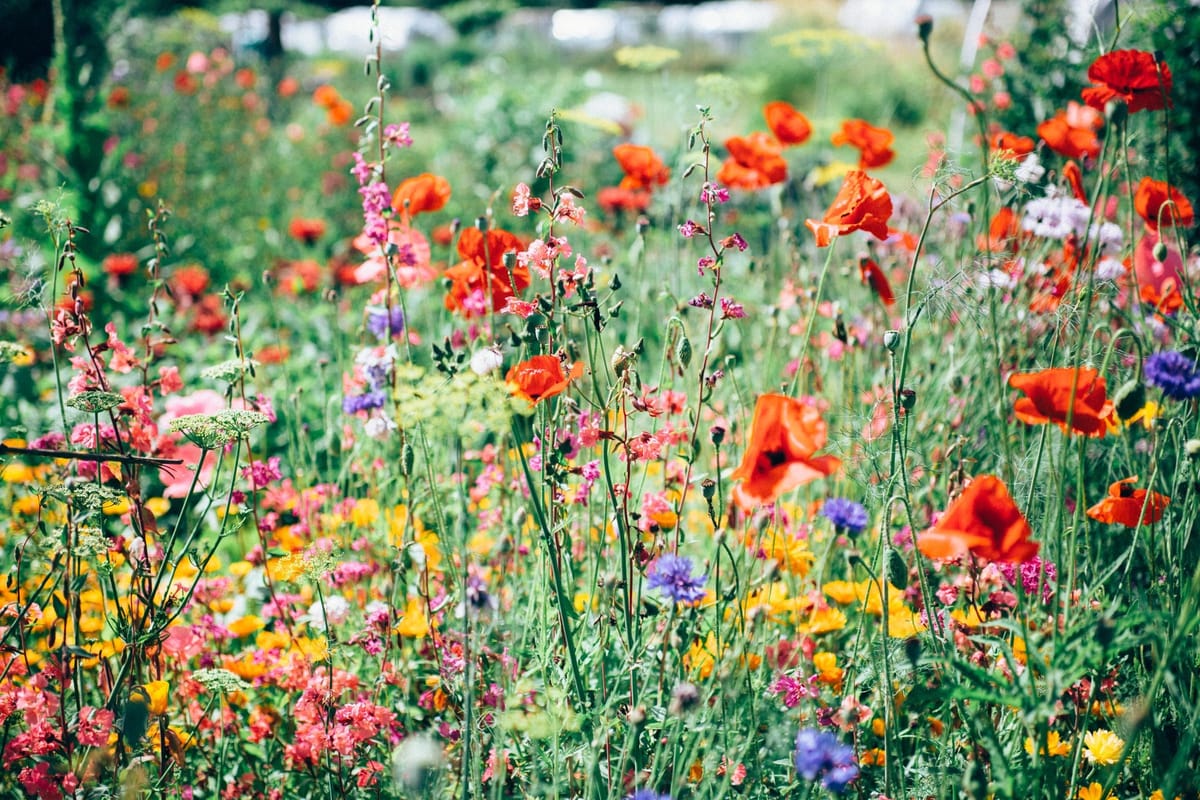
A wildlife-friendly garden is not a promise that every wild animal gets access to every bed. It is a decision to make room for living things while setting clear boundaries around food crops, young trees, windows, paths, and the parts of home life that cannot absorb repeated damage.
Conflict is not a moral failure by the gardener or the animal. The task is to identify what is happening, protect what matters most, and change the attractant or access point before frustration creates an unsafe response.
Start with the visitor and the damage
Begin with observation rather than a remedy. Look for browsing height, clipped stems, digging, peck marks, tracks, droppings, disturbed mulch, and timing. This may not identify every visitor, but it can stop a rabbit problem receiving a deer-sized solution.
Ontario’s broad strategy for preventing and managing human-wildlife conflicts describes conflict as shaped by place, season, species, land use, and different human values. It is a policy framework, not a universal fence specification. A coastal suburb, prairie acreage, boreal-edge town, and Atlantic neighbourhood may need different boundaries even when the damage looks similar.
Make four notes before choosing a control:
- The visitor or best-supported guess, with the evidence behind it.
- The asset at risk: seedlings, food crops, trees, structures, or bird health.
- The access route, including a gate gap, open compost, spilled seed, or fallen fruit.
- The acceptable threshold: what damage can be tolerated, and what requires action?
This keeps a habitat garden from becoming all-or-nothing. A few nibbled leaves may be part of the bargain; repeated crop loss or a hazard near a door may require a firmer boundary.
Separate habitat from the high-value zone
A practical habitat garden can offer cover, seasonal food, water, and insect life in a locally appropriate area while keeping vulnerable vegetables, new specimens, or fruiting plants protected. The point is not a wildlife-free rectangle, but a legible invitation.
AnimalKind’s conflict-prevention guidance notes that wild animals are drawn to food and shelter and advises against intentionally feeding wildlife. That BC-focused guidance also notes that provincial and municipal rules may apply, so a general habitat principle is not a statement of local law. Check what is deliberately provided, accidentally available, or easy to secure.
Use the simplest separation that matches the observed problem:
- Keep a small, high-value bed easier to protect than the whole property.
- Choose plants and layout for local conditions, then give vulnerable plants a temporary boundary while they establish.
- Keep compost, household waste, ripe fruit, and spilled seed from becoming an unplanned feeding station.
- Preserve sightlines and maintenance access so a boundary does not become a neglected hazard.
Match the barrier to the animal
Physical exclusion is often a clearer first experiment than a rotating collection of smells, noises, or reflective objects. The AgFence overview of rabbit and deer fencing starts with identifying visiting animals and explains that different animals may require different fencing approaches. That is practical context, not a national design standard.
General principles follow:
- Close-fitting mesh around one bed may answer a small-mammal problem without enclosing every habitat area.
- A larger-animal boundary needs a design suited to that animal, including height, strength, gaps, and gates; do not copy a dimension from another region without local guidance.
- Inspect edges, corners, and gates after weather, frost movement, or repairs. One dependable opening is still an open route.
- Treat electric fencing, traps, poisons, and pesticide products as specialist or regulated subjects, not casual add-ons.
Repellents and scare devices may be temporary experiments, but accounts from other gardens do not prove that a method is humane, safe, or dependable everywhere. If a control could injure a person, pet, or wild animal, seek current local guidance.
Treat feeders as a health decision
Bird feeding can be enjoyable, but a feeder is not the same thing as habitat. The Canadian Wildlife Health Cooperative’s technical report on bird-feeder practices explains that close congregation can contribute to pathogen transmission when seed, surfaces, or droppings are contaminated. It also discusses predation and traumatic-accident risks.
Include feeders in the conflict plan. Keep the area clean, store seed so it does not attract rodents, and pause feeding when there are illness signs or a local alert. The CWHC guidance on feeder-borne disease recommends taking feeders down for at least two weeks when birds show abnormal growths, crusty eyes, wet feathers around the beak, fluffed feathers, or lethargy. That is guidance, not a diagnosis.
The BC SPCA’s bird-feeding guidance offers a cleaning sequence and recommends regular cleaning, fresh seed, and attention to window strikes and predators. This is useful context, not a Canada-wide bylaw or a substitute for current local direction. Habitat planting can reduce reliance on a high-congregation feeder.
Build a seasonal reset
A conflict plan should change with the garden. In spring, watch new growth and secure priority beds. In summer, harvest ripe or fallen fruit and review food or water sources drawing visitors toward the house. In autumn, repair gates and barriers. In winter, inspect vulnerable woody plants and revisit any feeding-related health or mammal-attraction problem.
The links combine government strategy, wildlife-health guidance, BC SPCA guidance, and practical fencing context. They do not all have the same authority: official or specialist guidance supports its stated scope, while my sequencing of habitat, attractants, and barriers is an editorial proposal.
Keep one carry-forward task: draw a rough map marking one habitat area, one high-value area, one attractant, and one access route. Choose one boundary or attractant change to test first. A plan that can be observed and adjusted is more useful than a long list of deterrents applied at once.
This is general educational gardening information, not individualized horticultural, pesticide, environmental, or safety advice.