An EV Range Number Needs a Canadian Conditions Check
The Canadian EV Buyer — A posted range figure is a starting point, not a winter promise. This issue shows how temperature, route, vehicle configuration and charging conditions change the number used for general trip planning.

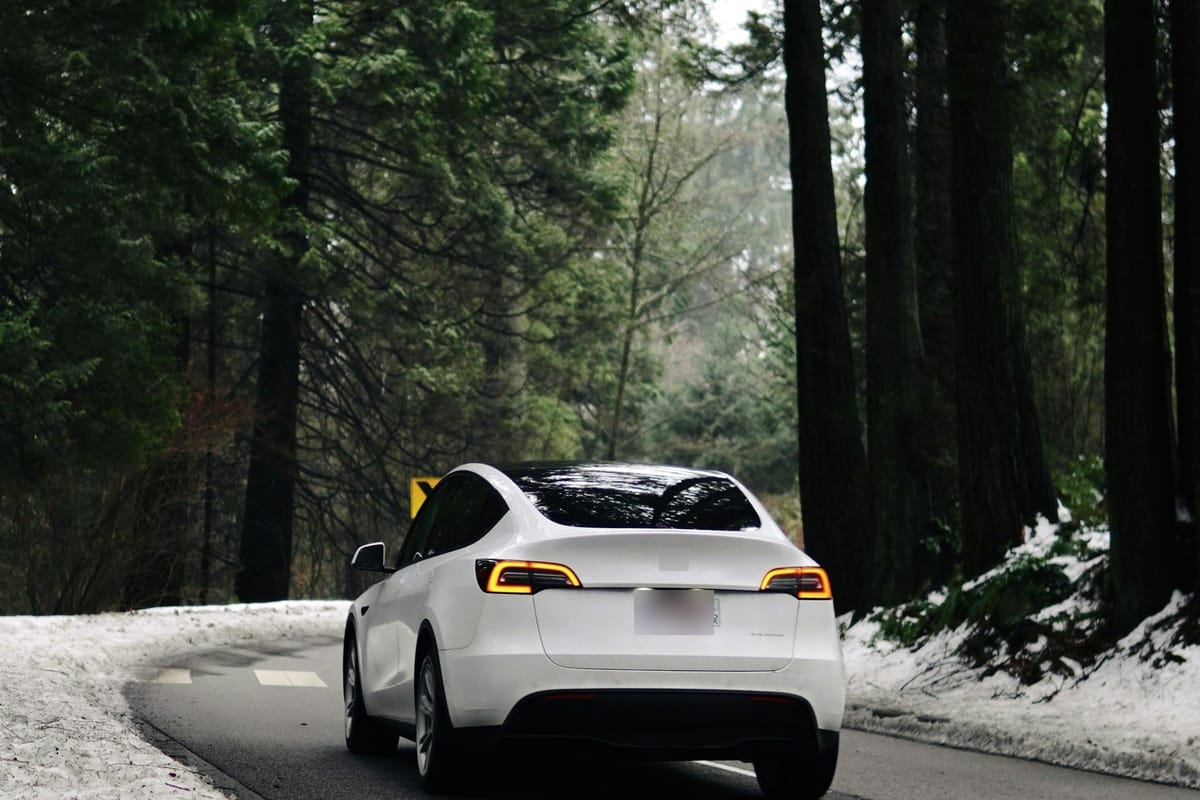
A reader sees a Canadian-market EV rated for several hundred kilometres and wants to know whether that is a winter number. The honest answer is no: it is a standardized benchmark, not a promise for a particular trip.
The posted number is a benchmark
A range figure gives buyers a common reference point. Temperature, road speed, wind, snow, tire choice, cabin heating, payload, elevation and the battery's state can all change the energy used per kilometre.
That is why a Canadian range claim needs a conditions check. Ask what was measured, where, at what temperature and with which configuration. A number without those labels is easy to repeat and difficult to plan around.
The comparison number in the Canadian Automobile Association's winter work was the estimated range published by Natural Resources Canada. It is useful for comparison, but not a winter rating for every route. The CAA report on its Canadian winter EV road test explains why the result is evidence, not a guarantee.
What Canadian winter testing showed
The clearest Canadian evidence here comes from a February 2025 road test between Ottawa and Mont-Tremblant, Quebec, using Canadian-market battery-electric vehicles. CAA measured distance until the batteries ran out and range added during a 15-minute DC session. It is useful context, but still one route and one winter window.
The BCAA and CAA winter-performance summary reports temperatures between -7°C and -15°C and a wide spread: the vehicles travelled 14 to 39 per cent less than their posted range. The spread is the important finding. There is no responsible single “Canadian winter percentage” for every EV.
Charging varied as well. The CAA test added about 100 kilometres on average in 15 minutes, while the fastest result added more than 200 kilometres. These are test results, not promises from every charger or vehicle. Starting battery temperature, state of charge, charger compatibility and the vehicle's charging curve can change the outcome.
Why conditions change the result
Cold affects more than the battery's displayed percentage. An independent automotive explanation of winter EV charging describes slower battery chemistry, energy used to warm the battery and cabin, and reduced efficiency in cold conditions. On the road, cold pavement, winter tires, snow and higher heating demand can raise consumption at the same time.
The range display may therefore move for two reasons: a cold battery can deliver less usable energy temporarily, while the vehicle can spend more energy creating heat and overcoming resistance. Plugged-in preconditioning or heated seats may change the balance, but neither guarantees a percentage improvement.
Model year and configuration matter too. Battery, drivetrain, wheels, tires, thermal management and software can differ within a model family. Do not transfer one trim's result automatically to an all-wheel-drive version, a larger-wheel package or another model year. The exact Canadian configuration is part of the evidence.
Turn the claim into a planning number
The practical next step is not to subtract a dramatic percentage from every advertised figure. It is to build plausible outcomes for the trip. A cold, windy highway trip differs from short urban errands in a milder winter.
For a general comparison, record four labels beside every range claim:
- Vehicle: exact model year, battery and drivetrain, wheel and tire setup.
- Conditions: province, temperature band, precipitation, wind, road type and expected speed.
- Load: passengers, cargo and equipment that changes weight or aerodynamic drag.
- Energy plan: starting charge, stops, cabin preconditioning and available charging.
Then ask whether the evidence matches the use case. A -7°C to -15°C test can inform comparison, but not performance at every colder temperature. A 15-minute DC result cannot predict charging speed at a particular station.
CAA and BCAA provide primary consumer road-test evidence; the independent explainer provides mechanism and charging context. Neither is a model-year specification sheet, provincial rule or individualized safety assessment. The planning method here is editorial interpretation, not an official winter rating.
This is general educational information, not individualized automotive, legal, financial, insurance, or safety advice.