
Before You Start: A Canadian Home-Care Project Check
House Care Canada — Before turning a draft, maintenance concern, or efficiency idea into a purchase, start by observing the condition and its connected systems. This checklist helps you separate routine upkeep from upgrades, verify current guidance, and identify when qualified help is needed.

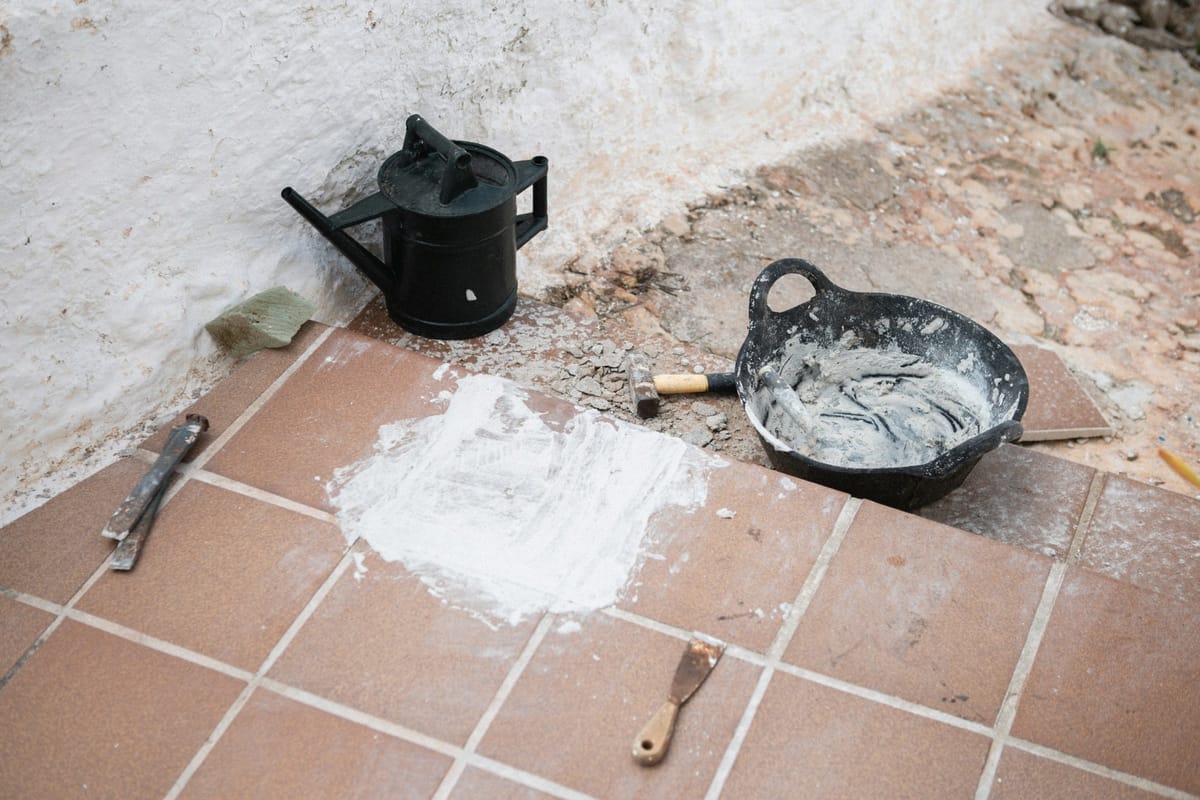
Start with observations
The first question is not “Which upgrade should I buy?” It is “What am I observing, and what else could this part of the house affect?” That distinction keeps a symptom from becoming an oversized project.
Natural Resources Canada describes a home as a system: the building envelope, mechanical systems, indoor and outdoor environment, and occupants interact. Its home-energy guidance notes that sealing air leaks can change what the home needs from its ventilation. Before buying a replacement part, identify the condition, its location, and the connected systems.
Use this starting point for seasonal upkeep, a draft repair, equipment service, or an energy-efficiency project. Make the next decision from observations, not a sales pitch.
What the Canadian evidence shows
Your house is a system
A furnace, heat pump, window, or door does not operate in isolation. If the envelope or ventilation is performing poorly, an upgrade in one place may not address the whole problem. Inspect the surrounding conditions before judging a proposed fix.
Heating and ventilation deserve attention
NRCan’s home-improvement guidance says space heating accounts for 61% of a home’s energy use. It also says that a well-tuned, efficiently operating HVAC system can reduce annual energy bills and support a healthier, more comfortable living environment. It is not a promise of a particular bill reduction.
The guidance suggests changing a furnace air filter every three months because a dirty filter makes the furnace work harder. The equipment manual still controls the details: filter type, service needs, and system design vary.
Service intervals depend on equipment
NRCan’s ENERGY STAR maintenance guidance says oil-fired furnaces and boilers require annual cleaning and tuning. Natural-gas and propane furnaces and boilers, and ground-source heat pumps, should be serviced at least every two years. Solid-fuel equipment and chimneys should be inspected annually and cleaned as often as necessary. HRV and ERV equipment requires annual maintenance, while air conditioners should be maintained regularly according to the owner’s manual.
Small habits and seasonal checks count
NRCan’s small-changes guide recommends full laundry loads in cold water, full dishwashers with air dry, clear return-air grilles and heating vents, and power bars or timers for devices that are not in use. These habits do not replace repairs.
Canadian weather puts different demands on a house. SGI Canada’s seasonal checklist frames spring and fall maintenance as a way to find manageable issues before they become larger ones. A seasonal maintenance guide from CMHC, reproduced by Yukon Housing treats its schedule as a general guide rather than a calendar fixed to particular months.
A practical checklist before you start
Use this routine before turning an observation into a purchase or repair plan:
- Describe the symptom: where it occurs, under what conditions, and when you noticed it. Keep the observation separate from your theory about the cause.
- List connected parts of the house: windows and doors, walls and vents, heating and cooling equipment, ventilation, and relevant indoor or outdoor conditions.
- Identify equipment type and, if available, age, model, manual, and last service date. Write down what you do not know.
- Check the operating conditions in the guidance: return-air grilles, heating vents, indoor and outdoor air paths, and condenser airways should not be obstructed.
- Capture a baseline with notes and photographs. Record filter changes, service history, draft locations, and related room or equipment conditions.
- Separate maintenance from an upgrade. A due service, blocked air path, or missing routine task may need attention before a replacement can be fairly judged.
- If the project is about energy performance, consider whether an EnerGuide home evaluation would provide a broader view. NRCan says an energy advisor can assess a home from basement to attic and identify renovation options; it does not guarantee savings or a particular outcome.
Keep the routine visible
A recurring note is more useful than a once-a-year scramble:
- Throughout the year, keep indoor and outdoor intake, exhaust, and forced-air vents clear; check dripping faucets; run water briefly in infrequently used fixtures; and lubricate hinges or tighten loose screws as needed.
- Every three months, review the furnace filter and follow the equipment instructions.
- If your home uses radiators, the guidance includes bleeding air once or twice a year, vacuuming dust from radiators, and insulating hot-water pipes. Confirm that these steps apply to your system.
- In spring and fall, walk inside and outside, note issues for follow-up, and prepare outdoor furniture, gardens, and young trees or bushes for the changing season.
Current checks before you commit
Verify details before relying on a product claim or incentive:
- Read the current owner’s manual and manufacturer instructions.
- Search NRCan’s directory of energy-efficiency programs for homes by location, source, and program type. Check current eligibility and application requirements directly.
- Be cautious with unsolicited home-energy inspections. NRCan says its department and affiliated programs do not perform or authorize unsolicited inspections by door-to-door marketers.
- Keep the sequence honest: observe, maintain or evaluate, plan, then choose the scope of work.
Limits and professional help
This article cannot diagnose a furnace, chimney, wiring, plumbing, moisture, ventilation, or building-envelope problem. It cannot determine whether a project is permitted, insurable, financeable, suitable for a particular property, or likely to produce a specific cost, timeline, comfort change, or energy result. Equipment servicing, solid-fuel and chimney work, and problems outside your experience should go to appropriately qualified help rather than improvisation.
This is general educational information, not individualized legal, financial, mortgage, insurance, contractor, or safety advice.
The public guidance above draws on the linked Natural Resources Canada material, seasonal checklists from SGI Canada and CMHC, and NRCan’s program directory. Those sources support general planning and upkeep; they are not a substitute for property-specific assessment. Use the current official page if a source or program changes.