
Build a Wildlife-Friendly Habitat Garden That Fits Your Canadian Conditions
Garden Habitat Notes — Design a wildlife-friendly garden around regional conditions, layered food, water, and shelter. Match plants to the site, reduce avoidable pesticide risks, and measure progress through manageable changes rather than promised visitors or sweeping ecological results.

Define What the Space Can Provide
A habitat garden starts with a question more useful than “What should I buy?” Ask: what can this space reliably provide, and what is missing? Environment and Climate Change Canada’s pollinator garden guidance recommends a wide variety of flowering plants suited to the region. The regional qualifier matters. A plant that handles one Canadian climate, soil, or winter may be a poor fit elsewhere.
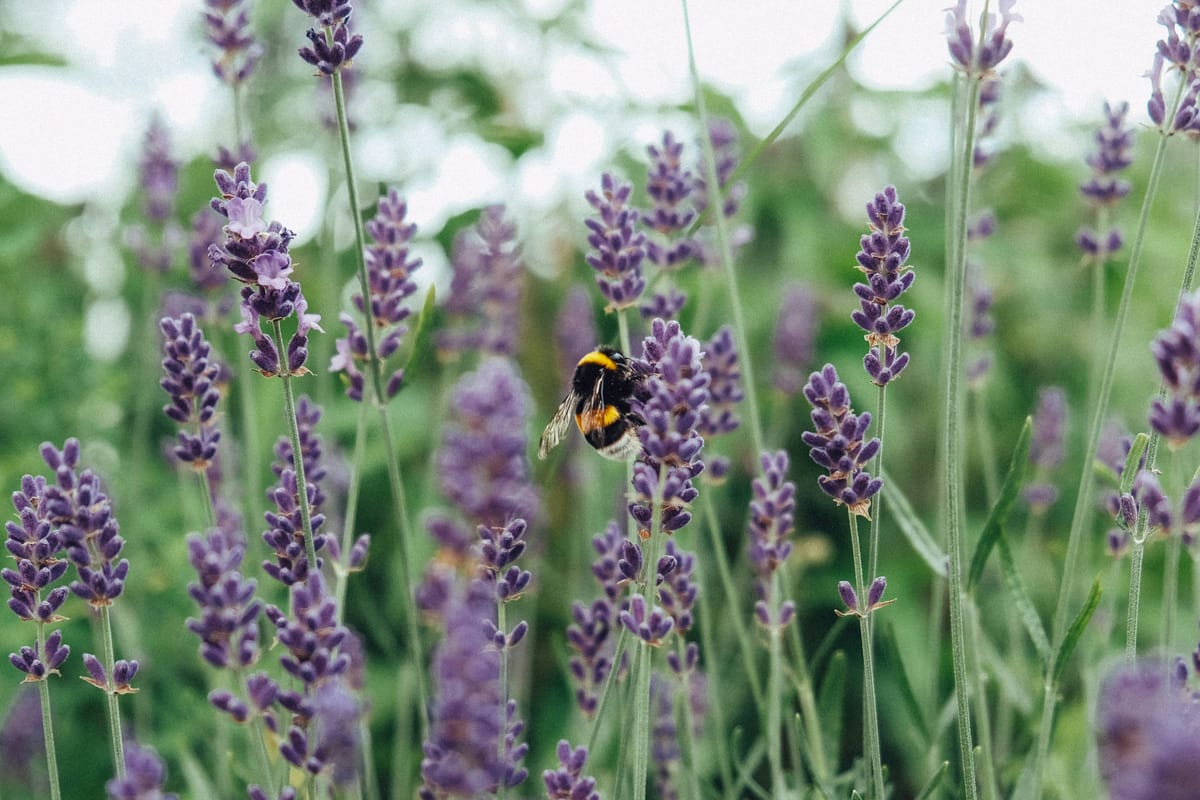
Pollinators are more than the most visible bees. They also include butterflies, moths, wasps, flies, some beetles, hummingbirds, and certain bats. By moving pollen between flowers, they help plants produce seeds and fruit. That makes habitat gardening practical rather than decorative: you are improving conditions for a group of organisms that support both wild plants and crops, but you are not controlling which visitors arrive.
The Canadian Wildlife Federation’s Wildlife-friendly Gardening Guide offers a useful frame: provide food, water, and shelter, then make healthy gardening choices in how the space is managed. A yard, balcony, or community plot does not need to do everything. It needs to add something dependable to the habitat already around it.
Start with conditions
Before shopping, spend time reading the space. Make a simple sketch and note:
- Light: where sun and shade fall, and for roughly how long.
- Moisture: where water collects, where soil dries quickly, and where watering is difficult.
- Soil: what is already growing well and where the ground is compacted or thin.
- Existing structure: trees, shrubs, fences, hedges, compost, leaf litter, and undisturbed corners.
- Use: paths, play areas, seating, pets, or other reasons some parts must stay orderly.
Check the space at more than one time of day. Then match the plant to the condition, not the other way around. Use a regional planting guide or a knowledgeable local source to confirm what suits your area; “flowering” by itself is not a climate plan.
Small spaces can still be deliberate. One container can supply flowers, while a shallow dish with landing stones can provide water if it is kept clean and refreshed regularly. The goal is not to imitate a large meadow. The goal is to make a workable improvement that you can maintain.
Build habitat in layers
Think of the garden as a small system rather than a bed full of flowers. The Canadian Wildlife Federation guide recommends diversity for food and shelter across seasons and layers so multiple species can coexist. Translate that into four design decisions:
- Spread flowering across the growing season rather than concentrating everything in one flush. Exact timing will vary by region, so use local guidance rather than a generic national list.
- Combine heights where your space allows: taller shrubs or small trees, mid-height plants, low growth, and a ground layer. In a container, the layers may be visual and functional rather than literal.
- Keep some shelter and cover: leaf litter, stems left standing, hedges, or an undisturbed corner can make the garden less dependent on flowers alone.
- Include water in a way that fits your maintenance capacity. A shallow source with landing places is easier to manage than a feature you cannot refresh.
Choose plants described as locally adapted or regionally appropriate, and favour diversity over a single mass planting. The CWF guide also advises avoiding invasive plants and plants grown with neonicotinoids. Ask a supplier what treatment information is available before buying; if the answer is unclear, choose a source that can describe its production practices.
Layers need not make the whole garden untidy. Keep paths clear and reserve a defined section for stems, leaves, and lower intervention.
Support pollinators safely
Habitat and pesticide awareness belong together. Health Canada’s pollinator protection guidance says no single cause explains pollinator declines; habitat and food loss, diseases, viruses and pests, and pesticide exposure may act in combination. That is a useful guardrail against both complacency and miracle claims.
For a home garden, keep the safety practice straightforward:
- Identify the problem before reaching for a pest-control product. A damaged leaf is not, by itself, proof that treatment is needed.
- If you use a product, read and follow its label. Health Canada notes that some pesticides can pose immediate risks to bees, while others may pose risks after longer exposure.
- Respect label restrictions on spraying flowering crops or weeds where bees may be present. Do not improvise a different rate, timing, or use.
- Remember that risk management applies beyond a single spray. Health Canada’s guidance covers exposure concerns such as spraying and treated seed, and it lists provincial contacts for suspected pollinator pesticide poisonings.
You do not need to diagnose a national pollinator trend from what you see in one yard. You can reduce avoidable disturbance, provide varied habitat, and treat product labels as the minimum safety instruction. If you suspect poisoning, use the provincial reporting contact listed in Health Canada’s guidance.
What not to promise
A responsible habitat garden has boundaries. Do not promise:
- A particular bee, butterfly, bird, or bat will appear. Better habitat increases opportunity, not certainty.
- One garden will reverse pollinator declines. The official guidance describes several interacting pressures, and a garden addresses only some of them.
- Results will be immediate. Plants need time to establish, and wildlife responds to conditions beyond your property.
- A wildlife-friendly garden requires no maintenance. It changes the work: you may mow less in one area, monitor spread in another, refresh water, and decide what to leave standing.
- A plant label is enough evidence of regional suitability or production treatment. Check the source and the conditions before buying.
Success can be modest and still real: a plant survives in the right place, flowering lasts longer, a sheltered patch remains through winter, or you observe more kinds of visitors over time. Record those changes without turning them into a claim that your garden has solved a continent-wide problem.
These sources support the food-water-shelter framework, regional plant selection, layered habitat, and label-based pesticide precautions.
This is general educational gardening information, not individualized horticultural or pesticide advice.