
Home EV Charging in Canada: Verify the Building Before the Charger
Charge Route Canada — A home charger is only the visible part of a larger project. Check your province, building authority, electrical capacity, parking route, and inspection path before choosing equipment for a detached home or shared property.

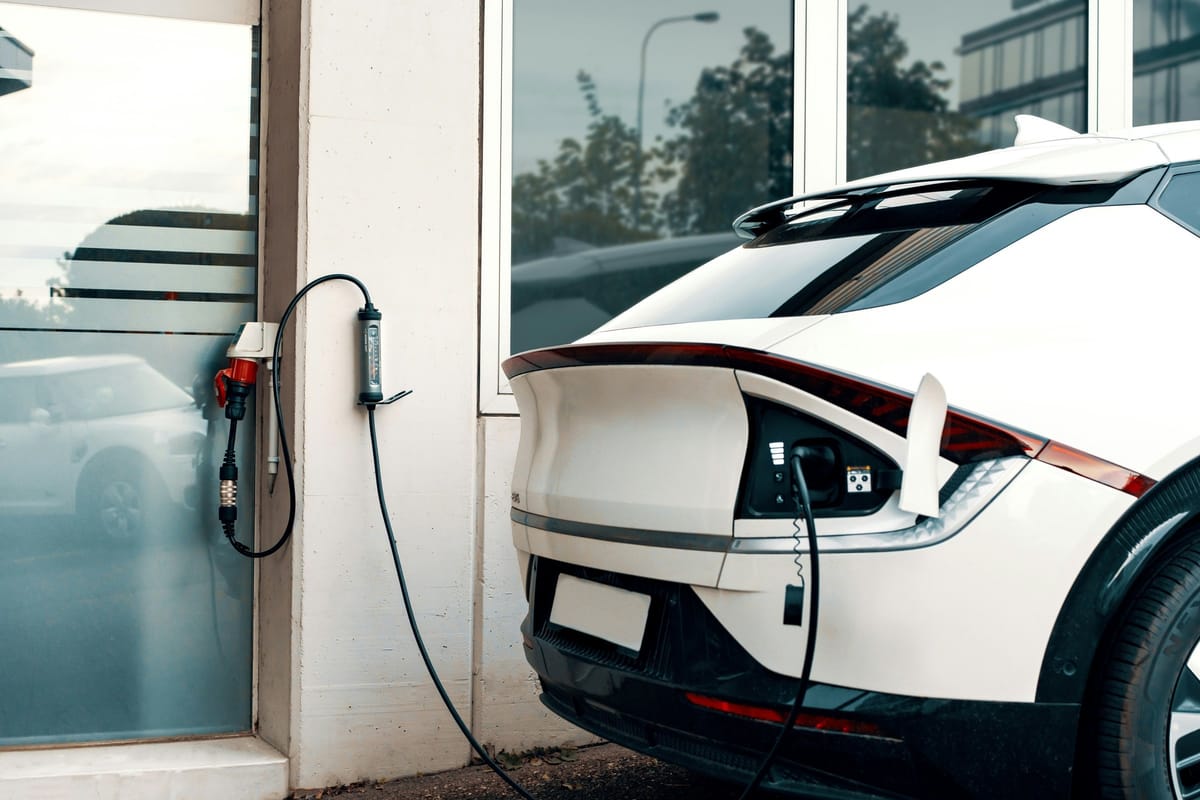
Before a charger becomes a shopping decision, it is a building decision. The vehicle may support a certain charging input, but the home or shared building still needs a legal, practical path from electrical service to the parking space. A detached house requires checks on service, panel, route, and installation rules. A condo, townhouse, or rental also requires checks on who controls common electrical equipment and parking.
An appealing charger can therefore be the wrong first purchase. The building may need a load assessment, board or landlord process, new wiring, shared load management, or different metering. An empty breaker position does not answer those questions.
Start with the building, not the charger
The first check is not “Which charger has the best app?” It is “What electrical and approval path already exists?”
At a detached home, a licensed electrical contractor can assess service and existing demand, then identify whether the proposed equipment and route fit. An Ontario contractor’s checklist dated December 13, 2025, distinguishes spare panel spaces from total capacity and flags equipment location, weather exposure, cord reach, and manufacturer requirements. Read it as specialist context, not a Canada-wide rulebook: Ontario installation checklist from a Toronto electrical contractor.
In a multi-unit property, common electrical rooms, existing chargers, assigned parking, load management, billing, and permission can matter.
Detached homes: verify four paths
Before comparing equipment, make a short site brief:
- Service capacity: What is the main service rating, and what existing or planned large loads must be considered? A qualified professional should perform the applicable load assessment rather than relying on breaker-space alone.
- Circuit route: Where would wiring run from the panel to the parking location? Note distance, walls, detached garages, trenching, and weather exposure.
- Vehicle and charger fit: What charging input does the vehicle support, and does the equipment documentation fit the location? The fastest-rated charger is not automatically the best match if the building cannot supply it.
- Approval and inspection: Which provincial regulator, municipality, utility, or building process applies? Keep this open until the jurisdiction and scope are known.
Installation cost can include the route, panel work, trenching, repairs, and inspection, not just the wall unit. The available evidence does not establish a broadly applicable Canadian range.
Condos, townhouses, and rentals: verify control
In a condo, the owner may control the vehicle and parking right, but not the common elements through which power must travel. Request the building’s written process and the information needed to evaluate a proposal. Ask whether there is an EV policy, preferred contractor, shared-capacity plan, or way to measure each user’s electricity.
Ontario shows why province matters. The Ontario EV charging systems guide describes formal approval processes and resources for owners and boards. That is an Ontario framework, not a national permission slip; electrical capacity, access, maintenance, and costs still need resolution.
A tenant’s path is different. The lease, landlord, parking agreement, and building wiring may shape what can be requested. Do not assume a condo-owner process applies to a renter, or that an assigned stall includes a right to modify common infrastructure.
Separate rules from practical interpretation
Official guidance is jurisdiction-specific. Technical Safety BC’s EV charger guidance says EV charger installations generally require an electrical installation permit and advises hiring a licensed contractor; it also explains that an existing operating permit and load increase can affect which permit applies. That is British Columbia guidance, not a Canada-wide rule.
Independent checklists help prepare questions, but they do not replace the relevant regulator, building documents, or a qualified professional. This caution applies to insurance, rebates, approval deadlines, and claims that a panel size is “enough.” I will not turn a contractor’s rule of thumb into a national answer.
Confirm the decision-maker, electrical capacity, physical route, and approval path before buying hardware. If one remains unknown, the comparison is premature.
A pre-purchase verification checklist
Use these questions in writing, so a verbal assurance does not become the project plan:
- What province and municipality govern the installation?
- Is the property detached, a townhouse, a condominium, or a rental, and who can approve work in the parking and electrical areas?
- Is the parking space deeded, assigned, leased, or shared?
- What service, panel, common electrical room, or transformer supplies the location?
- Are other EV chargers operating there, and is there load management or user billing?
- What does the vehicle manufacturer specify for home charging equipment and installation?
- Who will assess the site, submit paperwork, arrange inspection, and document the completed work?
- Who pays for equipment, wiring, upgrades, electricity, repairs, and removal?
Save the answers with the charger quote and installation scope. If the building cannot answer the infrastructure questions, ask for the electrical or property-management contact before selecting equipment.
This is general educational information, not individualized automotive, legal, financial, insurance, or safety advice.