
The Park Visit Check That Prevents a Long Drive to a Closed Gate
Stay & See Canada — A park pass is not the same as access to every trail, campsite, or day-use area. Use a short pre-departure check to catch closures, permits, arrival rules, and last-minute changes before the highway does.

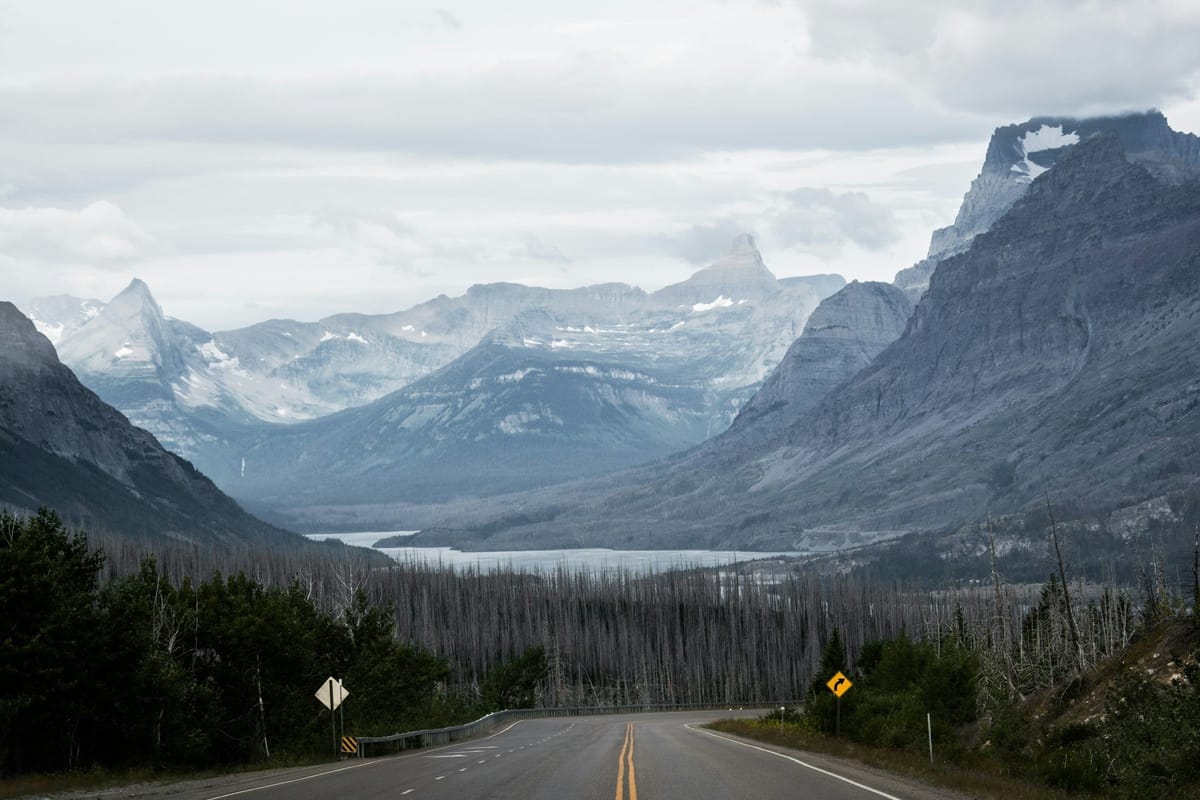
When a park is the destination, a closed gate is not the only failure point. The road may be open while a trail, campground, beach, parking area, shuttle, or water access point is not. A valid pass may also sit beside a separate reservation or permit.
Check the exact thing you intend to use, at the exact access point, close enough to departure that a changed notice can still alter your plan. That cannot guarantee an open gate or safe trip, but it can reduce a drive built on an assumption.
Start with the exact thing you are trying to access
“Going to the park” is too broad to verify. Write down the park, entrance or gate, named trail or facility, date, arrival window, and whether you need day use, camping, backcountry access, or a booked activity. Each may have a different status.
Ontario Parks is a useful example. Its reservations rules say advance daily vehicle permits are available for participating parks and that buying one in advance guarantees your spot. The same page treats campsite and backcountry reservations separately, with their own booking windows and arrival rules. As a planning interpretation, an entry permit is not proof that every facility or activity inside the park is available.
The page says Ontario Parks reservations can be made up to five months before arrival, while advance daily vehicle permits can be purchased up to five days before a visit starting at 7:00 a.m. Eastern Time. Those are Ontario rules, not a national template. An independent booking explainer also separates admission from activity bookings. The operator’s page controls.
Read bulletins at the level of the gate
Start with the operator’s current bulletin or closure page, then read the notice naming your actual area. The Parks Canada Important Bulletins index is organized by park and site rather than by one universal open-or-closed label.
The park pages show why scope matters. Prince Albert lists advisories; Kouchibouguac lists access and permit notices; Elk Island lists named area and trail closures; Rouge warns that closures can affect parts rather than the whole park. Compare the Prince Albert notices, Kouchibouguac notices, Elk Island notices, and Rouge notices as examples, not predictions.
Region: Canada-wide examples, with Ontario Parks and Parks Canada cases. Season: shoulder-season and changing-weather planning. Checked: September 2026. Source type: official pages, with one independent source for context.
Run the check twice
Do the first check when choosing the destination and the second shortly before departure. The later check matters because reservations, route information, and operator notices can change.
At planning time:
- Record the official park name and exact entrance, gate, road, parking area, trailhead, beach, campground, or facility.
- Confirm the permission you need: vehicle entry, day use, campsite, backcountry permit, accommodation, shuttle, or activity booking.
- Read arrival, check-in, and cancellation terms before paying. Ontario car-camping check-in is after 2:00 p.m. and check-out is before 2:00 p.m.; do not transfer those times elsewhere.
- Open the official bulletin, closure, and conditions pages. Note whether a notice covers the whole site or a named area.
Before leaving:
- Reopen the official pages instead of relying on an old email, saved post, or search-result snippet.
- Match the notice to the exact date, entrance, facility, and activity. “The park is open” is not enough if your destination within it is closed.
- Check the route and final approach separately. Entry permission does not confirm that the road, gate, parking lot, or local access point is operating as expected.
- Keep permit details and vehicle information available. Ontario Parks says a permit holder can update a licence plate through the account or with staff upon arrival; that is an Ontario rule, not a general assumption. If the notice is unclear, use the operator’s listed contact route before setting out.
Know what a closure changes
A closure is different from a disappointing forecast or a personal change of mind. Under the Parks Canada reservation policies, an official closure affecting an accommodation, campsite, or campground cancels affected reservations and refunds all fees paid, including service fees. After it is lifted, a visitor who wants to reserve again must make a new reservation. Without an official closure, voluntary changes follow the regular policy.
Do not treat an informal report, difficult forecast, or closed-looking gate as proof of a refund entitlement. Look for the official notice and read the policy attached to the particular reservation.
Limits of the check
Official pages can confirm published rules and notices; they cannot promise that conditions will remain unchanged. They also cannot replace judgment about fatigue, roads, weather, equipment, wildlife, or changing safety conditions. If a current notice and an old booking document disagree, pay attention to the operator’s current information.
This is general educational travel information, not individualized legal, medical, insurance, accessibility, financial, or safety advice.
The rules and closure examples above come from official Ontario Parks and Parks Canada pages linked at the relevant claims. The independent explainer is context only. Requirements differ among federal, provincial, territorial, municipal, and Indigenous-managed destinations, so confirm the responsible authority.