The Pet Emergency Folder to Build Before a Disruption
Pet Life Canada — A calm, usable pet emergency folder gathers identification, veterinary records, care notes, and trusted contacts in one place. This issue shows what to include, how to pair it with a go-bag, and when its limits matter.

A power outage, evacuation, sudden move, or emergency-clinic visit can turn ordinary pet details into time-sensitive information. The folder is not a substitute for a carrier, supplies, or veterinary care. It puts the right facts where a household member, neighbour, shelter worker, or veterinary team can find them.
If you have searched for a vaccine record while worried, you know the problem. Keep paper and digital copies for each pet; make page one readable while holding a leash.
What belongs in the folder? Start with the information another adult needs to identify the pet, contact help, and take the next safe step.
Start with the page another person can use
Put the essentials on page one:
- Pet’s name, species, sex, age or birth estimate, colour, distinctive markings, and a recent photograph.
- Your name and contact details, plus one backup person who has agreed to help.
- Primary veterinary clinic, nearest suitable emergency clinic, and local animal shelter or municipal animal-services contact.
- Microchip number, registry name, licence details where applicable, and the number on the collar tag.
- A plain-language note about fear responses, hiding places, handling limits, and comfort around strangers or other animals.
This is a handoff page, not a full biography. It should help someone identify the animal, reach the right people, and avoid an obvious handling mistake.
Add records that change a care decision
File the newest available vaccination history, recent veterinary notes, diagnostic summaries, surgery or hospital discharge paperwork, and insurance information if you have it. Keep the clinic’s contact information with each record; a loose document without its source can be hard to interpret.
Make a medication sheet for every current prescription or veterinary-directed product. Record the name, strength, form, usual timing, reason it was prescribed, and the prescribing clinic. Do not guess a dose from memory or copy an old instruction after a medication has changed. If the instructions are unclear, contact the prescribing veterinary team. A folder can preserve information; it cannot safely replace professional advice.
Add relevant food and routine notes: usual food, feeding pattern, litter type, toileting schedule, and sensitivities a caregiver should mention to a veterinarian. Keep them factual. “Hides under the bed during loud noise” is more useful than “difficult.”
Make identification useful during separation
The photo should show the whole animal and any distinctive markings. Add a second photo with you or another familiar person if it would help prove ownership, and write a short description beside it. The BC SPCA’s pet emergency and evacuation checklist recommends photographs, microchip information, medications, and medical records in a go-bag, while also urging caregivers to keep identification current.
A chip is not a visible ID tag, and a tag is not a substitute for a registered chip. Aim for redundancy: readable contact details on the animal, permanent identification where available, and current registration information in the folder. Check phone numbers, address, and backup contacts. Record the applicable registry or licence and when you last confirmed it.
Pair the folder with a grab-and-go plan
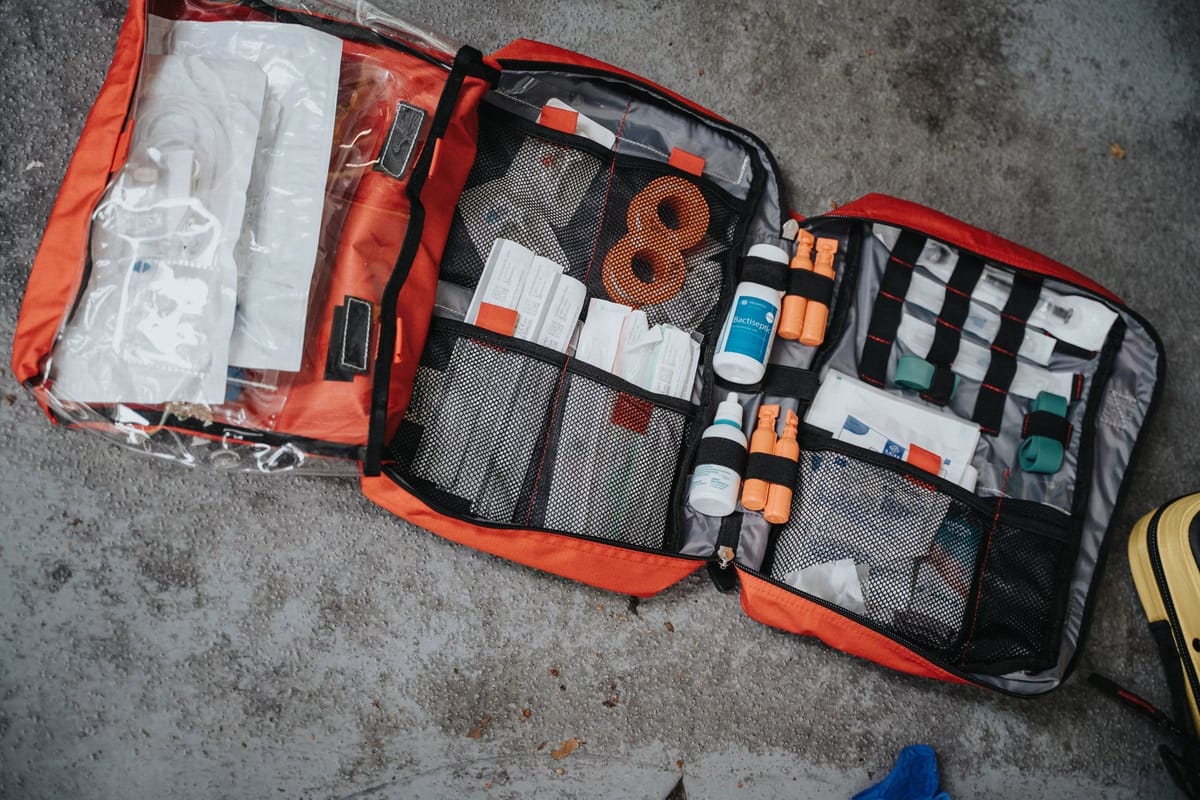
Records are most useful when they travel with the supplies they describe. Ontario SPCA guidance recommends a 72-hour pet emergency kit and lists food, water, bowls, medications, records, identification, a carrier or leash, and veterinary contact information among the contents. Read the Ontario SPCA pet emergency preparedness guidance for its organization-specific checklist and evacuation considerations.
Keep the folder beside, not buried beneath, the carrier or go-bag. A waterproof sleeve can protect paper, but no storage location is safe from every flood, fire, or theft. Store a digital copy separately and keep an offline copy on a device household members know how to unlock. Do not put passwords or unnecessary sensitive information in an unprotected file.
The folder should also point to decisions you have already made:
- Where the pet can go if home is unsafe, including a primary and backup option.
- Who can enter the home if you are away, and where the carrier, food, and records are kept.
- How each pet is transported: carrier, harness, leash, or other equipment that the animal already tolerates.
- Which local authority, shelter, building manager, or emergency clinic you would contact for current instructions.
These are planning prompts, not guarantees that a facility will accept an animal during every event. Confirm policies as a disruption develops, follow local instructions, and contact emergency services or a veterinarian when there is immediate danger.
Practice the handoff, then set a review rhythm
British Columbia’s PreparedBC pet emergency plan suggests sharing access with a trusted neighbour, noting likely hiding places, keeping carriers accessible, and practising the plan. Its official pet emergency plan is provincial guidance, not a Canada-wide rule, but the handoff exercise is broadly useful.
Ask a trusted adult to find the folder, identify the pet from page one, locate the carrier, and explain what they would do if you were away. You are testing the system, not staging a crisis. If they cannot find a number or understand a note, revise the folder.
Review it after a veterinary visit, medication change, move, new phone number, microchip update, or change in who can help. A twice-yearly calendar review is a reasonable general routine; Ontario SPCA specifically says its kit should be checked twice a year. Replace supplies according to the label or veterinary instruction.
Know what the folder cannot do
A record may help a veterinarian understand history, but it does not diagnose a new problem. A photo may support identification, and a shelter list may help with planning, but registries and admission policies can change. During an emergency, follow local authority instructions and contact a veterinarian or emergency clinic when needed.
Toronto Hydro’s emergency kit guidance includes pet food, water, bowls, leashes, identification, medications, vaccination records, and local shelter phone numbers. That is utility preparedness guidance for Toronto customers, not veterinary advice and not a promise of service availability.
This is general educational information, not individualized veterinary, medical, emergency, legal, or insurance advice.