
The Rental Record to Keep Before and After You Move
The Renewal Window — A move is easier to close when the lease, payment trail, condition record, and final handover sit together. This guide shows what to save, what to reconcile, and where provincial differences limit broad rental advice.

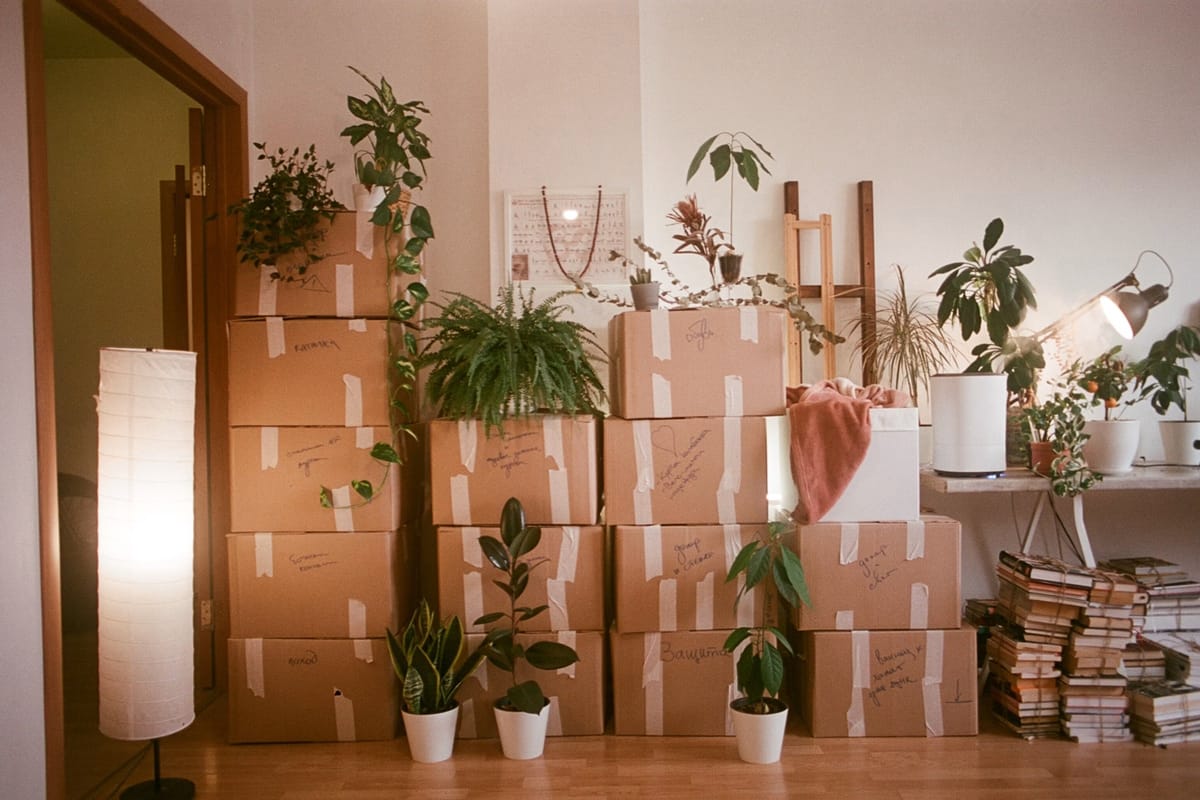
What should stay in your file before and after a move? The lease, payment trail, repair messages, photographs, and final condition record should make sense together. That record can answer a question months later when a receipt or rent balance is unclear. It cannot guarantee a refund or establish mortgage or benefit eligibility; it makes facts easier to verify.
The record has two jobs
Keep the agreement and the timeline. Save the signed lease, addenda, building rules, and written changes, then match each payment, request, response, inspection, and key handover to a date and address.
Be careful with the word deposit. An independent Canadian overview distinguishes a rent deposit that prepays a rent period from a security deposit that may have a different permitted purpose, and notes that rules vary by province. Read the deposit terminology overview as background, not as a substitute for the law that applies to your address.
The available material is independent tenant guidance and property-management commentary, not provincial rulebooks. This is a Canada-wide recordkeeping framework with an Ontario example, not a dated national dataset or province-by-province legal digest. Check current official information before relying on a deadline or required detail; a general checklist cannot settle a province-specific rule.
This is general educational information, not individualized legal, financial, housing, tenancy, or service advice.
Before you hand over money
Start the file before the tenancy begins. Keep the signed lease and addenda with the full address, rent, included services, parking or storage terms, move-in date, and the exact label and purpose of any upfront amount. Ask for changed promises in writing. Keep signed changes with the lease.
For every payment, preserve:
- The date sent and the date received, if different.
- The amount and related home.
- The purpose: rent, a rent deposit, a permitted charge, arrears, or another written amount.
Use a traceable method when you can; a general tenant guide recommends a receipt rather than undocumented cash. See the payment-record guidance. Keep bank or e-transfer confirmation beside the receipt or ledger because it may not show how money was applied.
Establish the condition at move-in
Before furniture arrives, photograph each room from the doorway, then capture stains, dents, scratches, chipped paint, appliances, flooring, fixtures, storage, and supplied items. Note what a photograph cannot explain, such as a window that does not latch or a missing key.
A rental-inspection checklist describes a written and photographed record as a baseline. Use a move-in inspection as a baseline. Complete any landlord form and save the returned and signed versions. Your own record does not replace a provincial form or deadline.
Keep original images, name copies with room and date, and back them up. Room-wide images preserve scale; an independent photo guide recommends combining overviews with close-ups. Compare room-wide and detail photographs.
Keep the timeline during the tenancy
Add payment records monthly. An Ontario property-management explainer discusses receipt requests by tenants and former tenants, but it is not a national rule. Review the Ontario receipt discussion and verify your province’s current rule before treating it as a legal conclusion.
Keep messages about repairs, access, lease changes, notices, payment arrangements, and condition or balance. Note phone calls by date and confirm important points in writing. A property-records overview identifies communication logs and deposit records as useful when timing matters. Keep a dated communication trail.
If a receipt and bank confirmation do not match, keep both and note the difference. Do not overwrite a record.
Prepare before returning the keys
Use the lease and applicable provincial guidance as your reference. Do not assume every mark is chargeable, or every deduction invalid. Your file should show the condition, communication, and amount claimed; the applicable authority determines what follows.
Before leaving, photograph empty rooms in the move-in sequence, including appliances, floors, walls, windows, doors, storage, and every returned key, fob, remote, or access card. Keep originals and an index. Record key handover, forwarding address, and any inspection report or statement.
Ask for unclear items in writing: identify the home, tenancy end date, missing records, and amount needing explanation. Keep the message, response, and attachments together.
Close the file after the move
Save the final receipt, account statement, deposit record, move-out report, key-handover note, and written explanation of deductions. Then create a one-page reconciliation:
- The agreed monthly rent and included items.
- Each payment and what it covered.
- The final rent period and possession date.
- The amount paid at the start and its stated label.
- Any claimed deduction, reason, and supporting record.
- The balance you calculate and the balance the landlord states.
Keep the file until known payment, deposit, tax, benefit, or dispute questions are resolved. Check retention requirements for your province and circumstances; no universal Canadian period is established here.
Create one folder now with four subfolders: Agreement, Payments, Condition, and Communications. Add closeout records after the move.