The Weeknight Leftover Routine That Starts With Food Safety
Weeknight Canada — A safe leftover habit is less about heroic fridge archaeology than a small sequence: cool food promptly, label what you saved, choose its next meal, and reheat it evenly. Here is a practical routine for busy Canadian kitchens.

At 6:30 p.m., the question is rarely “What should I cook?” It is more often “Is this still good?” A pot of lentil stew, roast chicken, or takeout noodles can look like tomorrow’s gift—or a container we should have dealt with yesterday. The useful routine begins before the second meal: manage the clock, cool the food properly, and decide where it is going.
Start with the clock, not the container
Health Canada’s leftover guidance puts the first boundary in plain terms: keep food out of the danger zone, between 4°C and 60°C, and discard cooked food that has been left at room temperature for more than two hours. Its advice also makes an important point that is easy to forget after a long day: you cannot reliably judge contamination by looking, smelling, or tasting. Read the full Health Canada guidance on handling leftovers when you need the official rule rather than a kitchen guess.
Start the routine while clearing dinner. Do not leave a large pot on the stove until bedtime. A porch, balcony, or garage is not a controlled refrigerator; outdoor temperatures change, even in winter. An independent Canadian explainer on leftover storage makes the same practical point. If food has sat out too long, saving it is not a bargain.
Make cooling part of cooking
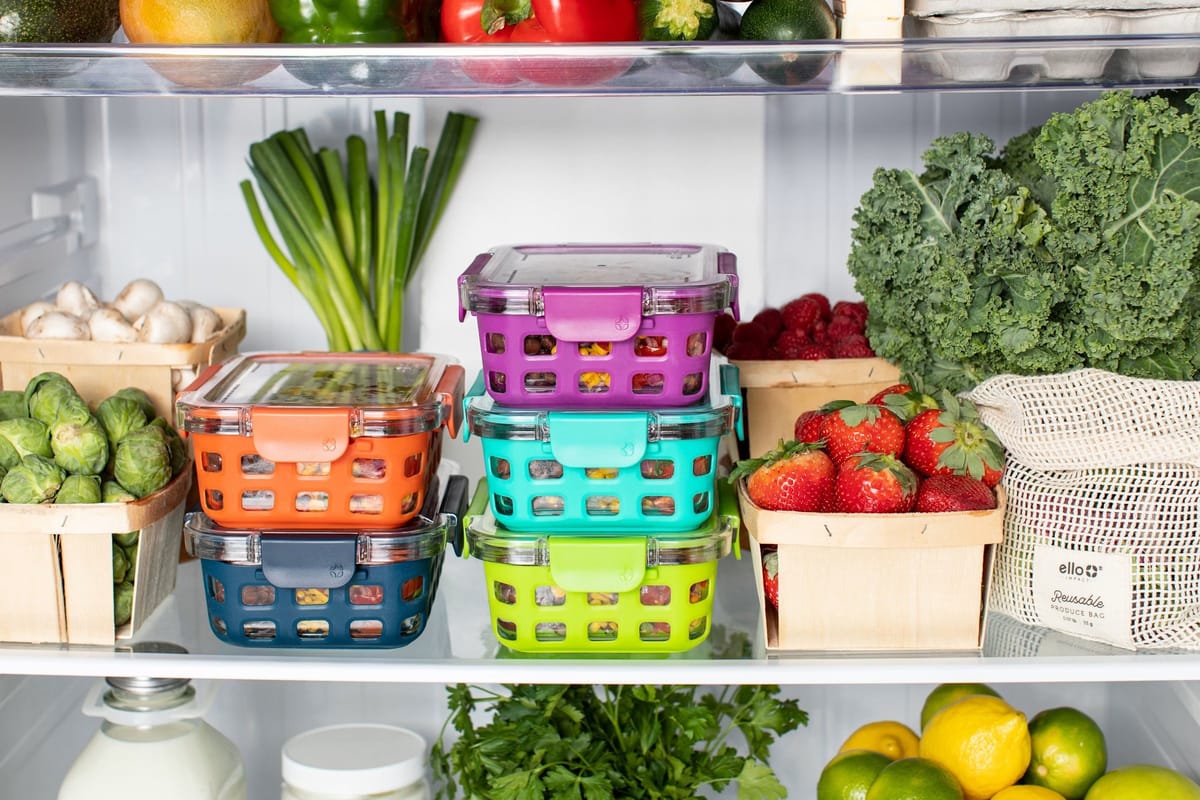
A big container cools slowly in the middle. Divide leftovers into clean, shallow containers, keep them separate, and label the date and contents. A large batch of chilli can become smaller portions instead of one deep tub.
An older Health Canada notice says very hot food may cool briefly until it stops steaming, then should be refrigerated; keep the lid loose while it cools and avoid overstuffing the refrigerator. That published Health Canada leftover notice also supplies the reheating temperatures below.
The label turns a vague memory into a decision. “Sunday soup” tells you more than a mystery container with a fogged lid. Label frozen portions before they disappear behind the ice packs.
Give every portion a destination
Leftovers become stressful when they are stored without a next use. Before closing the fridge, make one of three choices:
- Put a portion in the “first to eat” place for tomorrow’s lunch or the next evening’s supper.
- Freeze a portion because the week is already full or the batch is larger than the household can reasonably finish.
- Save only what has a realistic use, and let the rest go rather than creating a crowded shelf of obligations.
Variety helps. The next meal need not resemble the first. Roast vegetables can move into a frittata, soup, pasta, or pizza topping; beans or lentils can become a wrap, salad, soup, or dip; grains can join vegetables and sauce in a bowl or stir-fry. These flexible examples come from Canada’s Food Guide’s leftover meal-planning ideas.
Ask which component will still be appealing and what will make it feel new. Keep sauce, crunchy garnish, herbs, bread, or a different grain separate when practical. Texture can turn a planned second meal into something worth eating.
Use a conservative fridge window
Storage time deserves more care than a single magic number. The official notice linked above says refrigerated leftovers should be eaten within two to three days or frozen. An independent Canadian explainer presents a three-to-four-day benchmark. Neither window repairs food that cooled slowly, sat out too long, or was handled carelessly.
My practical interpretation is simple: label the date, plan the first use early, and freeze anything without a firm place in the next couple of days. If storage history is uncertain, do not use smell or a taste as a safety test. “When in doubt” recognises the limits of our senses.
Freeze before the fridge becomes a waiting room. Portion food so you can thaw only what you intend to eat, use secure containers or wrapping, and keep the destination visible. The freezer preserves time; it does not erase tracking.
Reheat for an even centre
“Hot on top” is not the same as evenly reheated. Health Canada’s published instructions specify 74°C and recommend a digital food thermometer. Bring gravies, soups, and sauces to a rolling boil and stir. In a microwave, use a suitable container, loosen the cover, stop partway through, and stir to eliminate cold spots.
The weeknight sequence is portion, cover, heat, stir, and check. Reheat only the serving you plan to eat instead of warming the whole container and returning it to the fridge.
This is general educational information, not individualized medical, nutritional, food-safety, or legal advice.
The rules here come from Health Canada’s public guidance and published leftover instructions; the meal combinations are practical interpretation, not official safety standards. The independent storage benchmark is included to show why a confident “it’s probably fine” is not a substitute for a known storage history.