
What a Canadian EV range number leaves out in winter
The Canadian EV Buyer — Canadian EV range ratings offer a consistent baseline, not a winter-trip guarantee. Compare model-year specifications, observed cold-weather performance, charging behaviour, and the conditions and fallback options on your route.

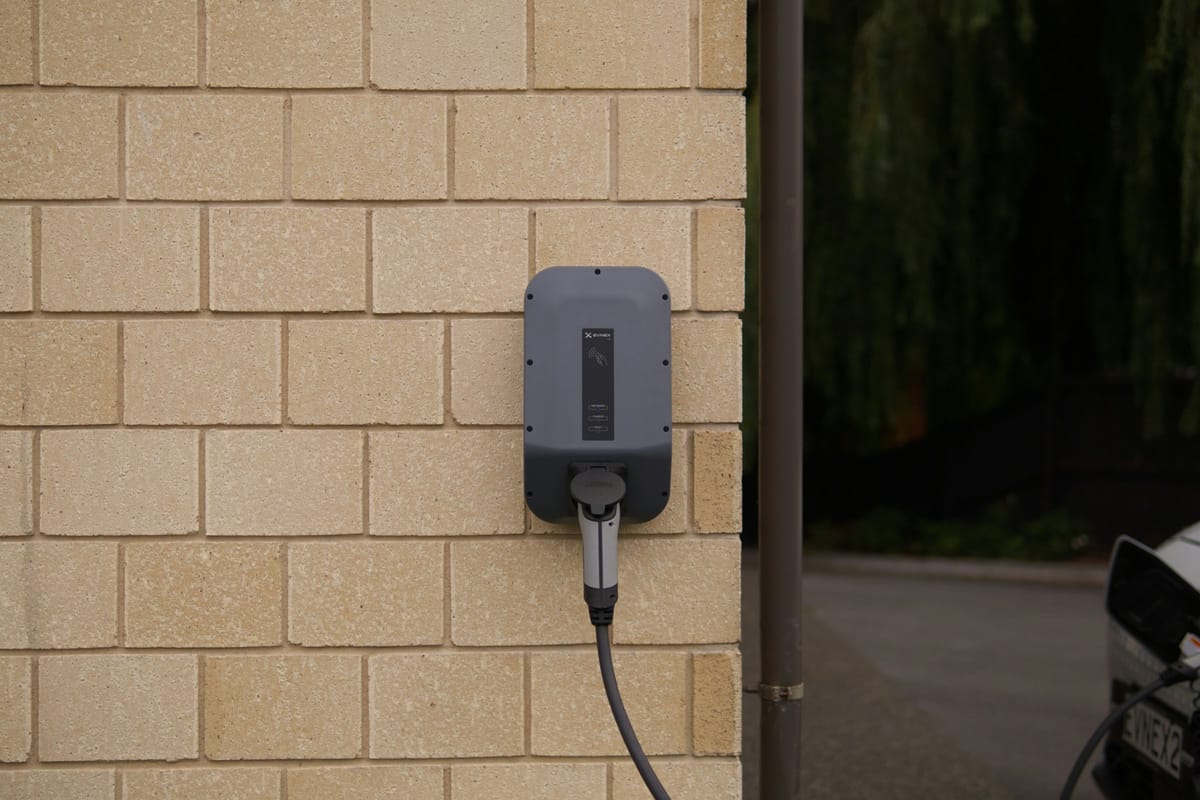
Start with a standardized range, not a winter promise
If a Canadian EV listing says a vehicle can travel a certain number of kilometres, what should a buyer expect when the temperature drops below zero?
The short answer is that the published number is useful for comparing vehicles under a common method, but it is not a winter-trip promise. The number needs context: test conditions, vehicle model and year, temperature, speed, heating demand, road conditions, and the time available to charge.
Current evidence
Natural Resources Canada’s fuel-consumption testing guidance describes a five-cycle procedure that includes city and highway driving, cold-weather operation, air-conditioning use, and higher-speed driving. Its cold-temperature operation uses a test-cell temperature of -7°C. That makes the official rating more informative than a summer-only test, but it is still a controlled comparison rather than a prediction for every Canadian route.
The 2026 Fuel Consumption Guide is the current model-year reference for vehicles sold in Canada, and NRCan updates the guide quarterly. A buyer comparing two vehicles should record the model year and the date checked rather than treating a search-result number as timeless.
A real-world CAA winter range and charging test gives a useful second perspective. CAA drove 14 EVs in temperatures between -7°C and -15°C and compared the results with the NRCan estimates. Across the tested vehicles, actual winter driving range was 14% to 39% lower than the posted range. The spread mattered: the test did not show one universal winter penalty that could be applied to every EV.
CAA also found variation in charging. In its 15-minute DC fast-charging test, the vehicles added about 100 kilometres on average, equal to about 28% of battery charge, but the results differed substantially between vehicles. A range comparison without a charging comparison leaves out part of the trip-planning problem.
Practical guidance
When comparing an EV for Canadian winter use, keep four notes beside the official range:
- The model year and exact vehicle version
- The official NRCan range and the test method behind it
- The temperatures and road conditions that matter for your route
- The vehicle’s charging behaviour and the location of your fallback charger
Use the official number as a common baseline. Then ask how much of your driving will be highway travel, how often the vehicle will sit outside overnight, and whether you can precondition it while plugged in. CAA recommends warming the cabin while the vehicle is plugged in when possible, removing snow and ice, and using sheltered parking where available. Those are operating considerations, not guaranteed range improvements for every vehicle.
For a long trip, compare the distance between dependable charging options rather than dividing the posted range into the route. A charger that is technically on the map may not be available, compatible, or convenient when you arrive. The buyer’s question is not “what is the largest range number?” It is “what margin and charging pattern does this vehicle give me on my ordinary winter route?”
A test drive can also be used as a question-gathering exercise. Ask how the vehicle reports remaining range, whether battery preconditioning is automatic or scheduled, how the charging curve changes after the battery warms, and what the Canadian manual says about cold-weather operation. The answers will not produce a universal winter figure, but they can reveal whether the vehicle’s systems match the way you expect to use it.
The most useful comparison keeps official range, observed winter performance, and charging time in separate columns. Blending them into one “real range” number creates false precision. Keeping them separate lets a buyer see which part of the trip plan is based on a standardized rating, which part comes from an independent test, and which part still depends on the route and weather.
Limits and date checked
The CAA test is a real-world comparison, not a certification test, and its results apply to the vehicles, conditions, starting states of charge, and route used in that study. NRCan’s rating is a standardized comparison, not an individualized forecast. This issue was checked on September 27, 2026. Model-year specifications, software, charging networks, and vehicle availability can change.
This is general information, not individualized financial, legal, insurance, electrical, mechanical, or safety advice. Use the manufacturer’s Canadian documentation and current charging information for a specific vehicle and route.