
What Canadian Seasons Put on the Table
Table North — Canadian seasonality is shaped by region, weather, cultivation, and the choices producers make. A seasonal guide helps readers compare national patterns with local availability while noticing the people, places, and methods behind what reaches the table.

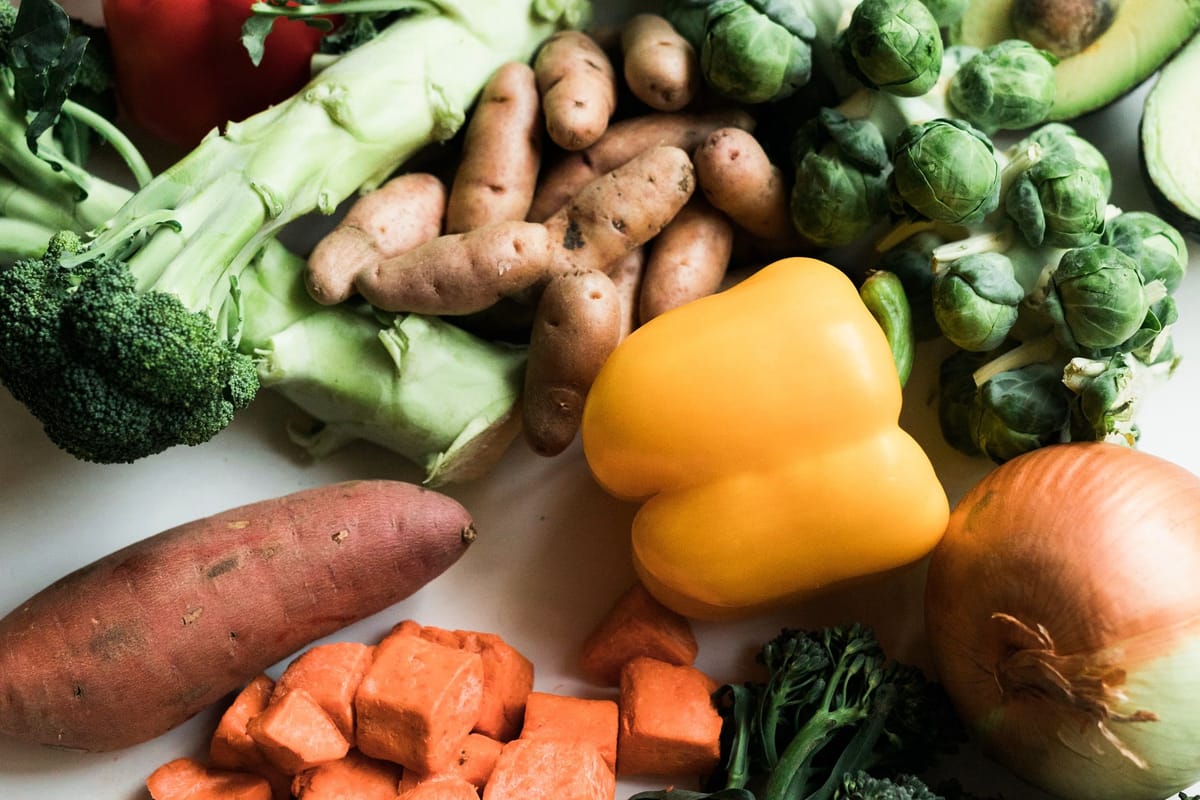
A season is more than a date on the calendar
The word seasonal can sound simple until you try to define it across Canada. The useful starting point is not a rigid shopping rule but a relationship between what is growing, how it is grown, and where you are eating it.
The Canadian Food Focus seasonal guide frames the idea plainly: Canada has four distinct seasons, and fruits and vegetables eaten in season can be enjoyed at peak freshness while supporting local farmers. That is a foundation, not a demand for one national menu. It is an invitation to pay attention.
In Canada, seasonality is a moving calendar shaped by geography, weather, cultivation, and the choices producers make about varieties and growing methods.
A country with several seasonal clocks
A broad pattern is easy to recognize. Spring brings early crops and tender greens. Summer is associated with berries, field vegetables, fruit, and other fresh produce. Autumn turns attention toward apples, squash, roots, and brassicas. Winter makes preservation, storage, and protected growing more visible. These are cultural chapters, not promises about what a particular farm or market will have on a particular day.
The seasonal guide works best as a compass. Its charts organize fruits and vegetables by season and offer further information about types, buying, preparation, and how crops grow in Canada.
Regional variation is not a flaw in seasonality; it is the point. Coastal, Prairie, Ontario, and Atlantic calendars will not move in lockstep, and even one region can shift from year to year. “In season” is a question about place and moment, not a universal label that settles every decision.
Seasonality is also a story of ingenuity
It is tempting to make seasonal eating a contest between an idealized past and modern agriculture. The supplied research points somewhere more interesting. Canadian Food Focus notes that farmers and researchers have extended the availability of some fruits and vegetables through improved varieties, growing techniques, greenhouses, other technology, and plant-science breeding.
A greenhouse is therefore not outside the Canadian seasonal story, nor is research into a variety that performs better in a particular climate. Local food can include adaptation, experimentation, and infrastructure that help producers work with a demanding climate.
Why this belongs to food culture
Food culture includes the ways people inherit knowledge, mark time, recognize place, and decide what deserves attention. The historical perspective in the Culinary Historians of Canada and the Ontario Heritage Trust's account of early Canadian culinary identity places Canadian foodways in a longer story shaped by regional agriculture, movement, settlement, trade, and adaptation.
The public celebration of ingredients matters too. The CBC's coverage of Food Day Canada and Anita Stewart shows how local food can become a shared cultural occasion. Its value is not that it creates one official definition of Canadian food, but that it makes room for regional definitions and for the producers and communities behind them.
Seasonal eating is neither nostalgia nor a purity test. It is a way of asking better questions: What is available here? What conditions made it possible? Which people, practices, and places are connected to it?
A respectful way to explore the calendar
A seasonal guide becomes more useful when it changes how we observe, not just what we purchase.
- Start with your region. Use a national chart as a starting point, then ask vendors what is peaking locally now.
- Distinguish local from merely available. A crop may be present in a shop without being at its local peak; that difference is context, not a reason to rank one option morally.
- Ask how the crop was grown. Greenhouses, improved varieties, and other technologies belong in the conversation about Canadian production.
- Credit the producer and place. Keeping a named farm, region, or community with the ingredient resists treating food as anonymous.
- Approach regional and Indigenous foodways with respect. Curiosity should include attention to origin and community knowledge, not just the next trend.
Evidence, limits, and source disclosure
This issue draws on the supplied research context: the Canadian Food Focus seasonal guide; the historical and cultural resources linked above; and official Canadian food and agriculture information. The wider sector context is represented by Agriculture and Agri-Food Canada, while the supplied Statistics Canada agriculture publication provides federal statistical context. Health Canada's Canada's Food Guide newsletter is included as a general public resource, not as a substitute for personal guidance.
The evidence supports a broad picture: Canadian seasonality varies by region; farmers and researchers use multiple methods to extend availability; and food culture is connected to history, producers, and place. It does not establish what will be available at a specific market this week, and seasonal charts are not guarantees. Weather, geography, production method, and year-to-year conditions matter.
This is general educational food information, not individualized medical, nutritional, allergy, or food-safety advice.